
 en
en English
 Español
 Français
 русский
 عربى
عربى
Lumpia Wrapper Machine Guide — Buy, Use & Maintain
Content
- 1
- 2 Why choose a lumpia wrapper machine for your kitchen
- 3 Key specifications to evaluate before buying
- 4 Model comparison — what to expect by class
- 5 Buying checklist — features that pay off
- 6 How to set up and operate a lumpia wrapper machine (step-by-step)
- 7 Cleaning and maintenance schedule (daily, weekly, monthly)
- 8 Common problems and quick troubleshooting
- 9 Scaling production — workflow and staffing tips
- 10 Final recommendations and procurement tips
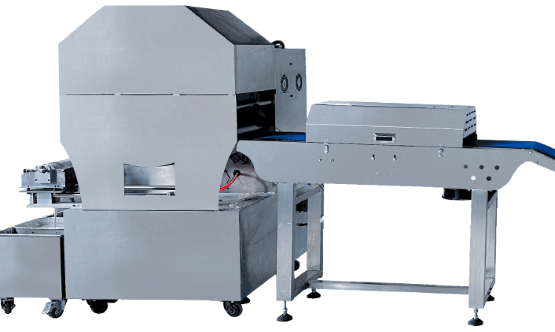
Why choose a lumpia wrapper machine for your kitchen
A lumpia wrapper machine automates the delicate, repetitive task of spreading batter into thin, consistent wrappers — dramatically increasing throughput while reducing labor cost and variation. For restaurants, caterers, and small manufacturers producing hundreds to thousands of wrappers per day, a machine improves yield (fewer torn wrappers), lowers waste, and standardizes thickness and diameter so cooking times and filling ratios become predictable. Machines also reduce operator fatigue and training time because a single trained operator can oversee wrapper production and quality control rather than hand-rolling or manually pressing each sheet.
Key specifications to evaluate before buying
Not all lumpia wrapper machines are created equal. Focus on specifications that affect production speed, wrapper quality, and long-term cost of ownership. Below are the technical and operational specs that most directly impact daily performance and ROI.
Production capacity
Production is usually measured in wrappers per minute (wpm). Choose a capacity that leaves headroom for peak hours: for a stall or small kitchen, 30–60 wpm is typical; for medium restaurants or light manufacturing, 100–200 wpm; for higher-volume lines, 300+ wpm. Always compare rated capacity to real-world tested capacity when possible.
Wrapper diameter and thickness control
Look for machines with adjustable diameter plates or templates and precise thickness control. Thickness adjustments should be incremental and lock securely so repeated runs produce identical wrappers. Machines that allow rapid changeover between sizes (e.g., 3", 4", 6") reduce downtime for varied product SKUs.
Material, power and footprint
Food-contact parts should be stainless steel (304 or 316) and easy to remove for cleaning. Check electrical requirements (single-phase vs three-phase), gas vs electric heating (if the machine bakes or partially cooks wrappers), and the machine footprint. Confirm doorway and workspace dimensions before purchase.
Model comparison — what to expect by class
This quick table summarizes typical capabilities across entry-level, commercial, and production-class lumpia wrapper machines so you can match an investment to your output needs.
| Class | Typical WPM | Diameter Options | Price Range |
| Entry-level | 20–60 | Fixed or 2–3 sizes | $1,500–$6,000 |
| Commercial | 80–200 | Adjustable 3"–7" | $6,000–$25,000 |
| Production | 200–600+ | Quick-change molds, custom sizes | $25,000+ |
Buying checklist — features that pay off
- Stainless steel food-contact surfaces and removable plates for washdown.
- Variable speed control with memory presets for each wrapper size.
- Reliable batter delivery system (pump or gravity) with low-shear impellers to avoid air bubbles.
- Safety interlocks and emergency stop accessible from both sides.
- After-sales support: spare parts availability and local service or documented self-service procedures.
- CE or other relevant electrical safety marks if operating in regulated markets.
How to set up and operate a lumpia wrapper machine (step-by-step)
Proper setup prevents early failures and ensures wrapper quality from the first batch. The sequence below assumes a typical electric commercial machine with removable molding plates and a batter pump.
Pre-start checklist
- Verify machine is level and secured to the worktable to avoid movement that skews thickness.
- Inspect and install chosen diameter mold or plate; tighten clamps per manufacturer torque specs.
- Confirm batter viscosity using a viscometer or by the recipe’s recommended flow test; too thick or thin will produce defects.
- Prime the batter line and purge air from pumps to ensure steady delivery.
Startup and first-run tuning
Start at a conservative speed and make incremental adjustments. Use a sample run of 20–50 wrappers to confirm thickness, edge integrity, and concentricity. Measure wrapper thickness with a caliper in several places; document the speed and pump settings that produced acceptable results for that batter formula so settings become repeatable.
Cleaning and maintenance schedule (daily, weekly, monthly)
Routine cleaning and preventive maintenance extend machine life and protect food safety. Below is a practical schedule you can adapt to your daily production volume.
- Daily: Disassemble food-contact parts, scrape and rinse, then wash with approved food-safe detergent. Sanitize and reassemble before production.
- Weekly: Inspect pump seals, drive belts, and electrical connectors for wear or looseness; lubricate moving parts per manual.
- Monthly: Check motor brushes (if applicable), recalibrate thickness settings, and run a detailed inspection of the heating elements or thermostats.
- Annually: Replace consumables (seals, gaskets) based on runtime hours and have a qualified technician perform a full electrical and mechanical safety check.
Common problems and quick troubleshooting
This section lists frequent issues operators encounter, likely causes, and practical fixes you can perform without waiting for field service in many cases.
Wrappers tearing or with uneven edges
- Cause: batter too viscous or mold plate not perfectly clean. Fix: thin batter slightly, clean and dry plate, retest flow.
- Cause: uneven mold pressure. Fix: level machine and re-torque clamp points; verify plate seating.
Inconsistent thickness across discs
Cause: worn thickness adjustment or air in the batter line. Fix: bleed the line, inspect for worn cams/spacers, and replace parts that show play. Document adjustment increments to restore settings quickly.
Scaling production — workflow and staffing tips
To scale up output safely, think beyond the machine: coordinate batter prepping, cooling racks, flour-dusting stations, and wrapper handling to avoid bottlenecks. Typical small-team workflow for a 200–500 wpm line:
- One operator monitors the machine, adjusts speed and batter feed, and records quality checks.
- One assistant performs continuous plate cleaning and quick touch-ups to minimize downtime during runs.
- Two handlers transfer fresh wrappers onto dusting/cooling conveyors and stack finished batches for packaging.
Final recommendations and procurement tips
Before committing to a purchase, ask suppliers for a live demo with your batter formula and wrapper size. Request test-run data, spare-parts lists, and written SLAs for service response times. Negotiate training for your staff and ensure the supplier provides a parts kit for the first year. Finally, account for ancillary costs such as electrical upgrades, conveyor interfaces, and shipping when building your capital budget.
Related Products
Copyright © Shanghai Chengtao Machinery Co., Ltd. All rights reserved.  Food Machinery Manufacturers
Contact Us