
 en
en English
 Español
 Français
 русский
 عربى
عربى
Multi-Product Food Production: One Machine, Multiple Applications
Content
- 1
- 2 Why One Machine for Multiple Products Makes Business Sense
- 3 What "One Machine, Multiple Applications" Actually Means in Practice
- 4 Key Factors That Enable Reliable Product Switching
- 5 Product Range Comparison: Single-Purpose vs. Multi-Product Setup
- 6 Which Production Scenarios Benefit Most
- 7 How We Support the Transition to Multi-Product Production
Why One Machine for Multiple Products Makes Business Sense
Running a food production facility means managing space, labor, and capital simultaneously. Investing in a dedicated machine for every single product type quickly becomes unsustainable — especially for small to mid-sized operations looking to diversify their menu without multiplying overhead. This is exactly the problem that multi-purpose food production machines are designed to solve.
At Chengtao, we have been building food machinery since 2010, and the most consistent feedback we hear from clients is this: the ability to switch between products on a single machine is what changes the economics of the whole operation. One production line footprint. Multiple revenue streams.
What "One Machine, Multiple Applications" Actually Means in Practice
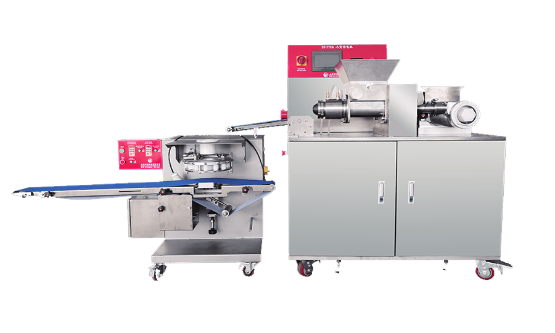
Multi-product capability is not just a marketing term — it is an engineering decision made at the design stage. Our machines achieve it through interchangeable mold systems that operators can swap without special tools or prolonged downtime. A single forming machine can shift from producing dumplings to siomai to wontons by changing the mold set, adjusting fill weight, and resetting skin thickness — all within minutes.
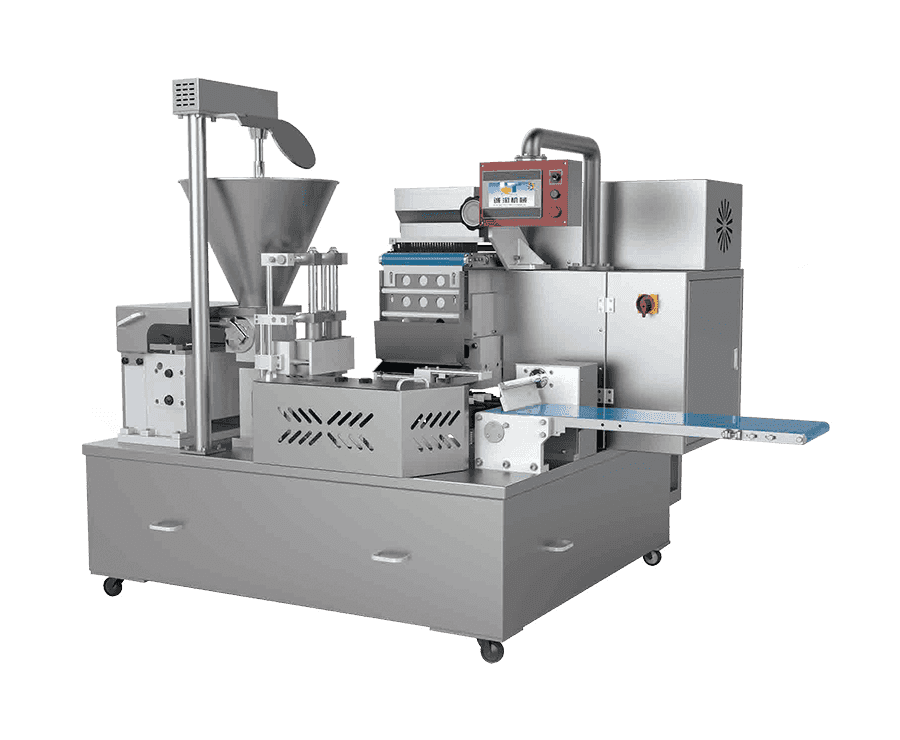
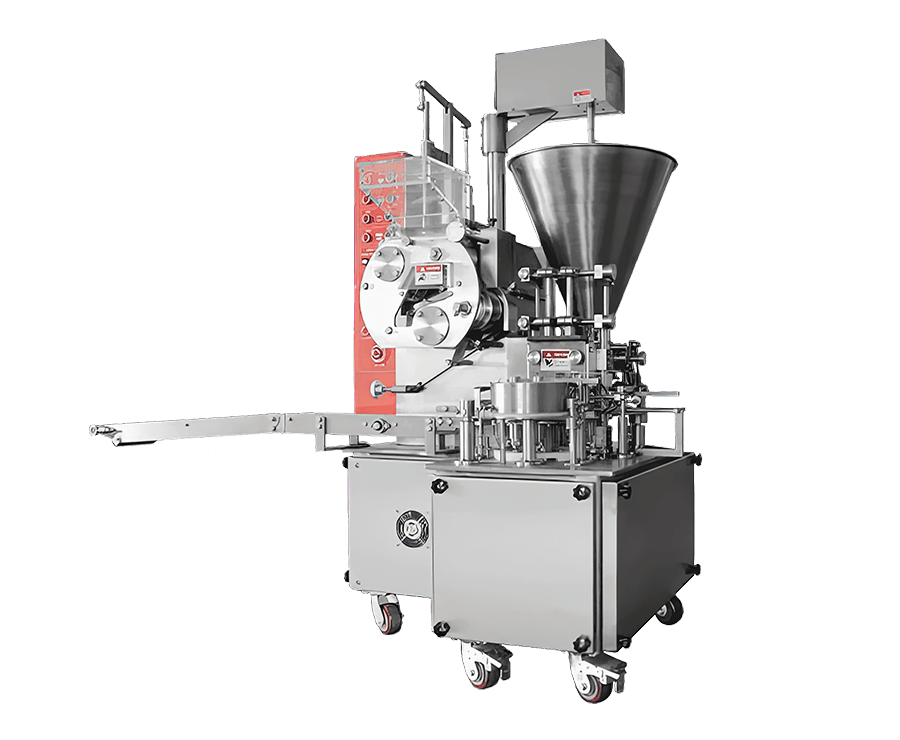
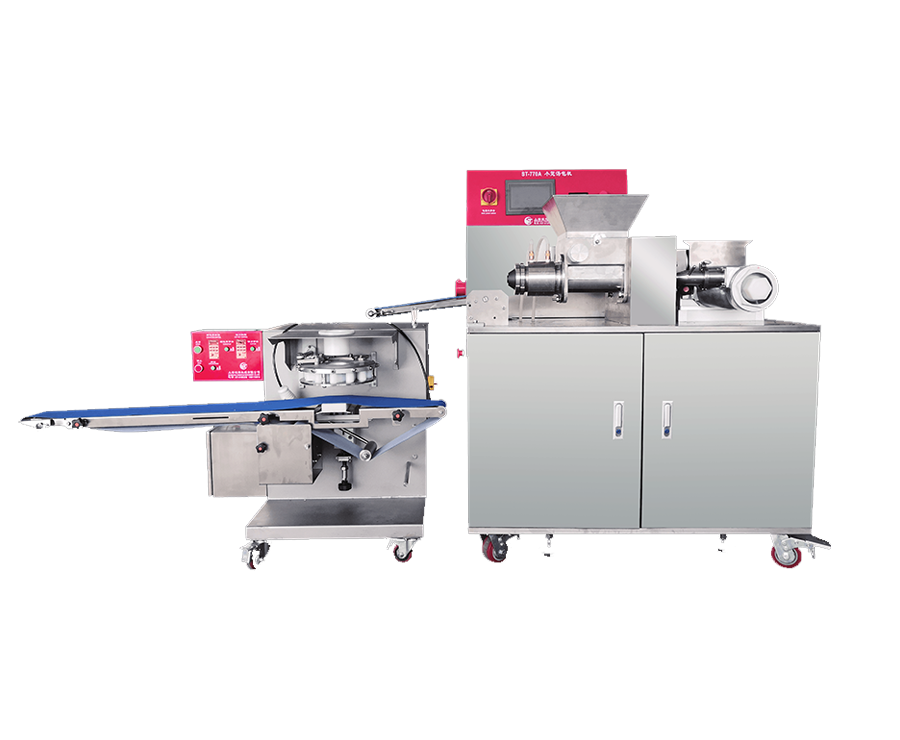
Take our automatic dumpling and siomai forming machine as a concrete example. It handles:
- Dumplings (various crimp styles)
- Siomai / Shaomai
- Gyoza / Potstickers
- Wontons
- Various filled dough products with custom shapes
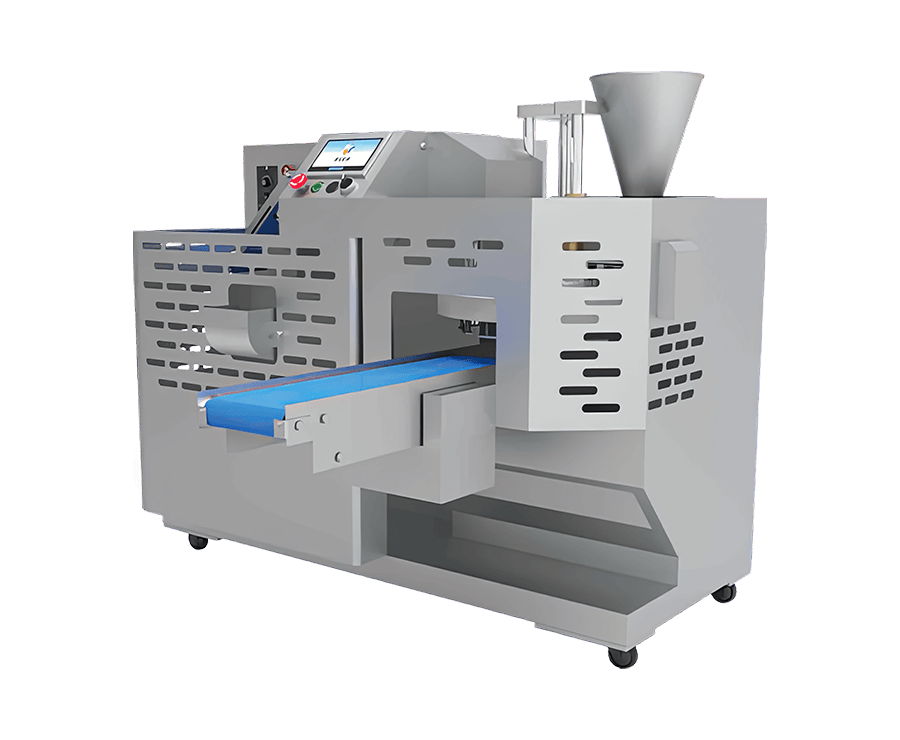
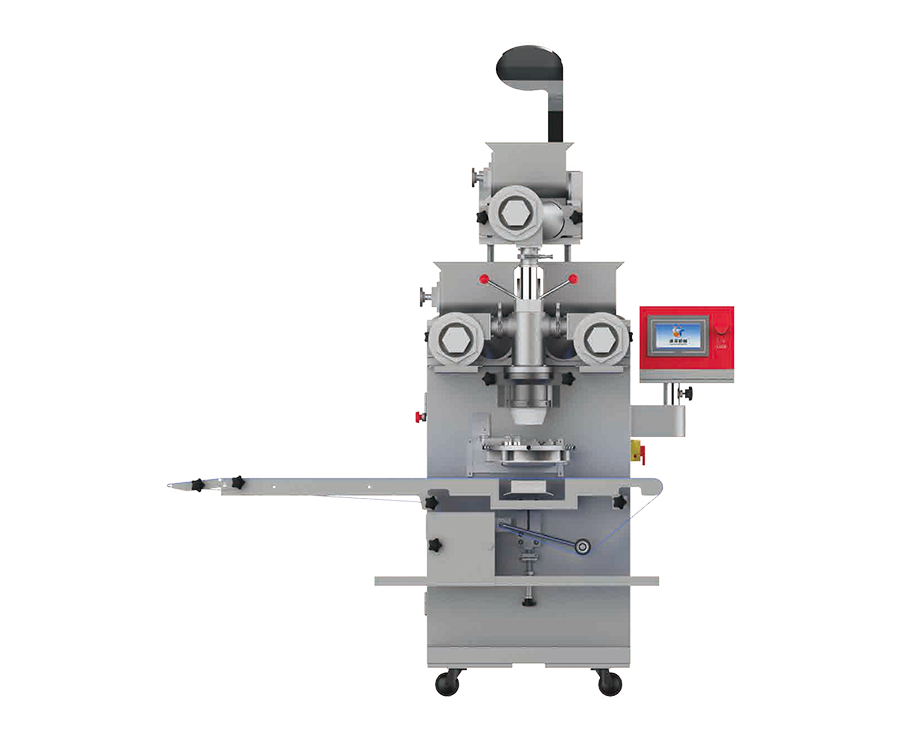
The same principle applies across our broader machine range, from cookie and mooncake formers to steamed bun lines.
Key Factors That Enable Reliable Product Switching
Not all multi-product machines deliver consistent results across every application. Based on years of production data and client feedback, the following factors determine whether a machine genuinely performs across product types or just claims to.
Dual-Control Synchronous Feeding
Our machines use a bidirectional synchronous quantitative feeding system that controls both skin and filling delivery independently. This matters because different products require very different skin-to-filling ratios — a wonton wrapper is much thinner than a steamed bun dough. Independent control means each product gets its own optimized parameters, not a compromise setting.
Operator-Adjustable Parameters
Quantification, skin thickness, cutting size, and fill weight are all manually adjustable on the production floor — no engineer required. Most operators reach full proficiency in a few minutes per product type. This low learning curve is critical when production schedules require same-day product changeovers.
Hygienic Construction for Cross-Product Safety
All food-contact surfaces are SUS 304 stainless steel, meeting international food hygiene standards. This is non-negotiable when switching between products that may contain allergens — for example, moving from a shrimp filling to a vegetable filling. Clean-down between runs is straightforward due to the smooth, crevice-free surfaces.
Product Range Comparison: Single-Purpose vs. Multi-Product Setup
The table below illustrates the operational difference between purchasing dedicated machines for each product versus a multi-application setup for a facility producing three product types.
| Factor | 3 × Single-Purpose Machines | 1 × Multi-Product Machine |
|---|---|---|
| Floor Space Required | High (3× footprint) | Low (1× footprint) |
| Capital Investment | Full machine cost × 3 | Full machine cost + mold sets |
| Maintenance Points | 3 separate machines | 1 machine |
| New Product Expansion | New machine purchase required | New mold set only |
| Operator Training | 3 different systems | 1 system, multiple molds |
Which Production Scenarios Benefit Most
Multi-product machines are not the right answer for every facility. They deliver the highest value in these specific situations:
- Seasonal or rotating menus — food service suppliers who shift product mix by quarter benefit from switching applications without acquiring new equipment.
- Export-oriented producers — clients supplying multiple markets often need culturally distinct products (e.g., dumplings for East Asia, spring rolls for Southeast Asia, maamoul for the Middle East) from one production base.
- New entrants diversifying product lines — starting with one machine that scales across products reduces initial capital risk significantly.
- Contract manufacturers — facilities producing for multiple brand clients who each require different products on flexible schedules.
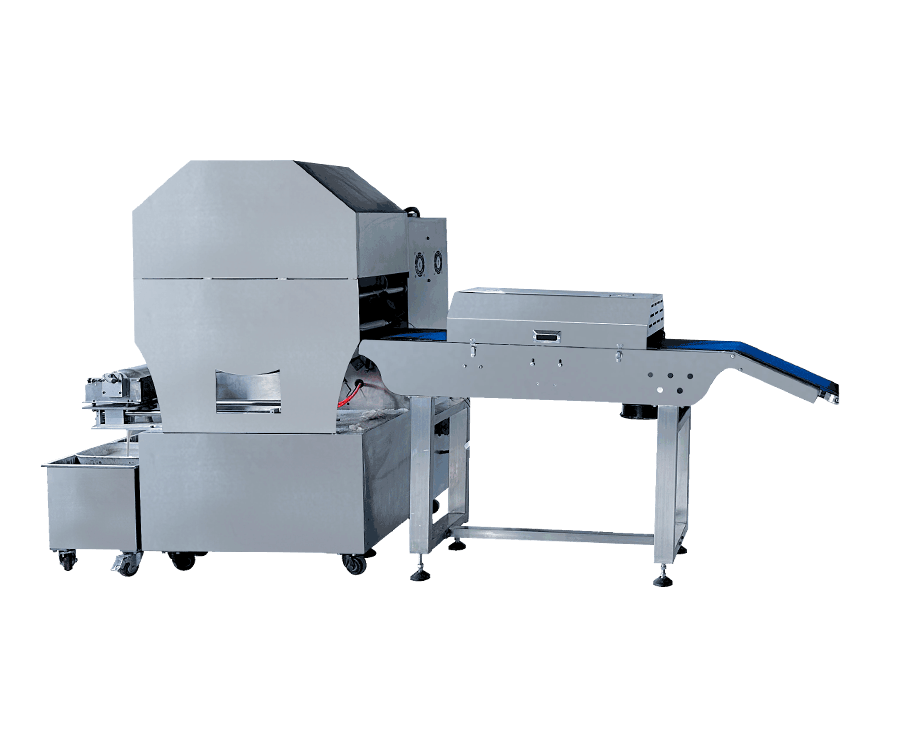
For operations requiring dedicated high-volume output of a single product category, we also offer specialized complete production line integrations — including fully automated steamed bun lines and spring roll forming lines — where throughput is the primary priority.
How We Support the Transition to Multi-Product Production
Switching to a multi-product setup involves more than purchasing equipment. We provide full support across three areas:
- Pre-sale configuration advice — we assess which machine platform and mold combinations match your target product list and production volume.
- On-site commissioning and operator training — our technical team ensures your staff can execute product changeovers confidently from day one.
- After-sales follow-up — ongoing technical guidance, operation support, and maintenance assistance throughout the machine's service life.
With over 15 years of experience and clients across more than 60 countries and regions, we have seen what works across a wide range of production environments. If you are evaluating a multi-product setup for your facility, we are available to discuss your specific requirements directly.
Related Products
Copyright © Shanghai Chengtao Machinery Co., Ltd. All rights reserved.  Food Machinery Manufacturers
Contact Us