
 en
en English
 Español
 Français
 русский
 عربى
عربى
5 Business Reasons to Upgrade to Food Automation Equipment
Content
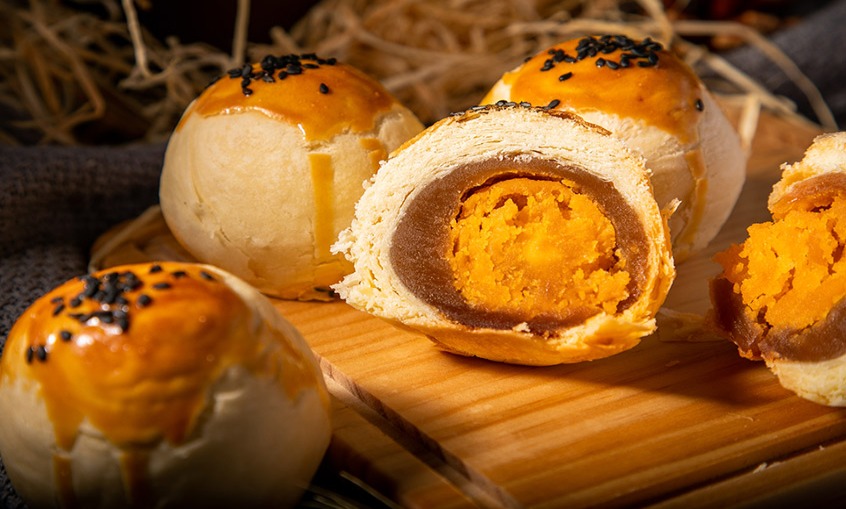
Labor costs are rising. Consumer demand is shifting faster than ever. And the gap between food businesses that automate and those that don't is becoming harder to ignore. At Chengtao, we've worked with food manufacturers across more than 60 countries since 2010, and the conversation always comes back to the same question: is now the right time to upgrade to food automation equipment? For most of our clients, the answer has been yes—and the results speak for themselves.
Here are five concrete business reasons why upgrading to automated food machinery makes sense.
Labor Costs Are Reduced Significantly
Manual food production is labor-intensive by nature. Folding dumplings, wrapping spring rolls, or shaping buns at scale requires large teams working long shifts—and that cost compounds quickly. A single automated forming machine can replace 6 to 10 workers on a single production line, depending on the food type and output requirement.
Beyond direct wage savings, automation reduces costs tied to training, turnover, and human error. Our automatic dumpling and forming machines are designed so operators can get started within minutes—reducing the skill dependency that often drives up your HR overhead.
Output Capacity Scales With Demand
One of the most immediate benefits our clients notice after upgrading is the jump in throughput. Manual production has a natural ceiling—you can only hire so many workers and fit so many people in a kitchen. Automated equipment removes that ceiling.
For example, our automatic steamed bun production line can handle consistent high-volume output 24 hours a day with minimal supervision. If a supermarket chain doubles its order, you can respond—not scramble. That kind of responsiveness is a competitive advantage most manual operations simply can't match.
| Production Method | Daily Output (est.) | Staff Required | Scalability |
|---|---|---|---|
| Manual | ~500–1,500 units/hr | 8–15 workers | Limited by headcount |
| Automated | 3,000–10,000+ units/hr | 1–3 operators | Modular and expandable |
Product Consistency Builds Brand Trust
In food manufacturing, inconsistency is costly—it shows up as customer complaints, returns, or rejected batches from retail buyers. Handmade products naturally vary in weight, shape, and filling ratio, which creates unpredictable quality and waste.
Our machines use dual-control bidirectional synchronous quantitative feeding to ensure each unit receives an accurate, even filling every time. Whether you're producing dumplings, mooncakes, or spring rolls, the result is uniform shape, consistent weight, and predictable shelf life—factors that matter enormously when you're supplying retail chains or food service distributors.
Clients upgrading from manual to automated production often report a 30–50% reduction in product defect rates within the first few months of operation.
Food Safety and Hygiene Standards Are Easier to Meet
Regulatory requirements around food hygiene are tightening globally. Automation reduces direct human contact with food during production, which lowers the risk of contamination and makes compliance documentation more straightforward.
All Chengtao machines are constructed with food-grade stainless steel 304, sourced from certified suppliers and meeting international food hygiene and environmental protection standards. Components that come into contact with food are designed for quick disassembly and cleaning, reducing cross-contamination risk—especially important when running frozen food production lines where hygiene directly affects product safety and shelf life.
One Machine, Multiple SKUs—Lower Equipment Investment
A concern we often hear from food businesses considering automation is the cost of equipping a line that handles multiple products. In the past, that concern was valid—different products often required entirely different machines. That's no longer true.
Modern food automation equipment, including our forming machines, supports self-replaceable molds that allow you to switch between different product shapes and sizes on the same machine. This multi-purpose design dramatically lowers your per-SKU equipment cost. A bakery line that produces both bread rolls and filled buns, for example, doesn't need two separate machines—it needs one well-designed forming machine with the right mold set.
- Switch between dumpling, siomai, and wonton shapes with mold changes
- Adjust filling weight, dough thickness, and cut size via manual controls
- Produce seasonal products (mooncakes, maamoul) on the same core equipment
- Reduce procurement and maintenance costs by consolidating your equipment fleet
Our mooncake and maamoul production line is a good example of how a single automated system can serve a diverse product range without duplicating capital investment.
The Right Time to Upgrade Is Before You Hit a Bottleneck
Most food businesses don't automate because production broke down—they automate because they see what's coming: a major new contract, a market expansion, a labor shortage, or a competitor who's already operating at half the cost. The businesses that upgrade proactively are the ones that capture market share; those that wait tend to upgrade reactively, under pressure, and often at greater cost.
At Chengtao, we work with clients across the full spectrum—from small operations adding their first automated forming machine to large manufacturers building fully integrated custom production lines. If you're evaluating whether automation fits your operation, we're happy to discuss your specific product, volume, and facility requirements.
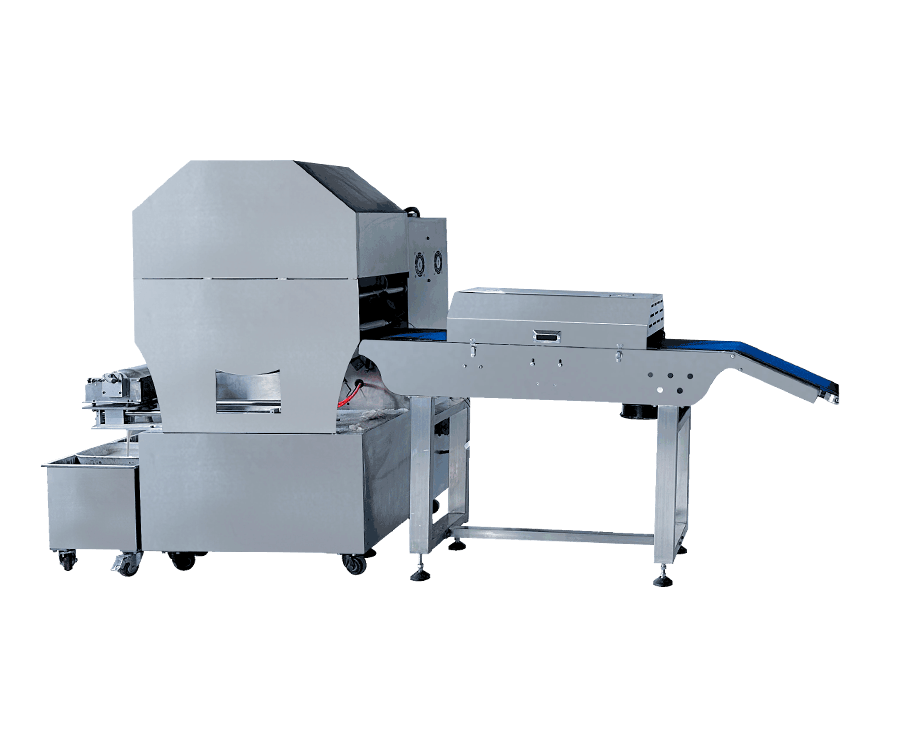
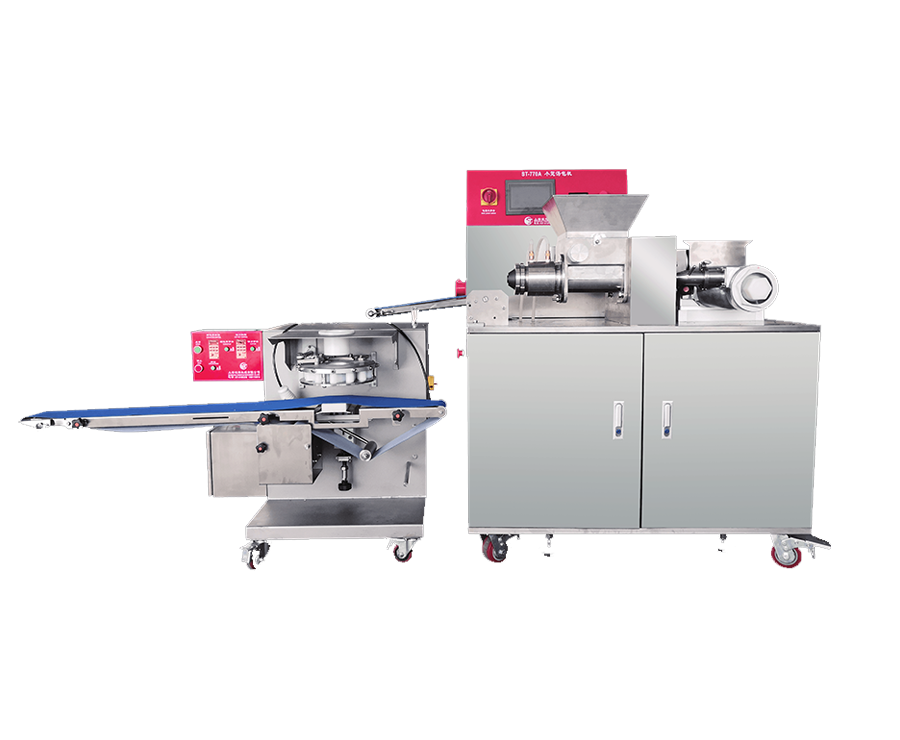
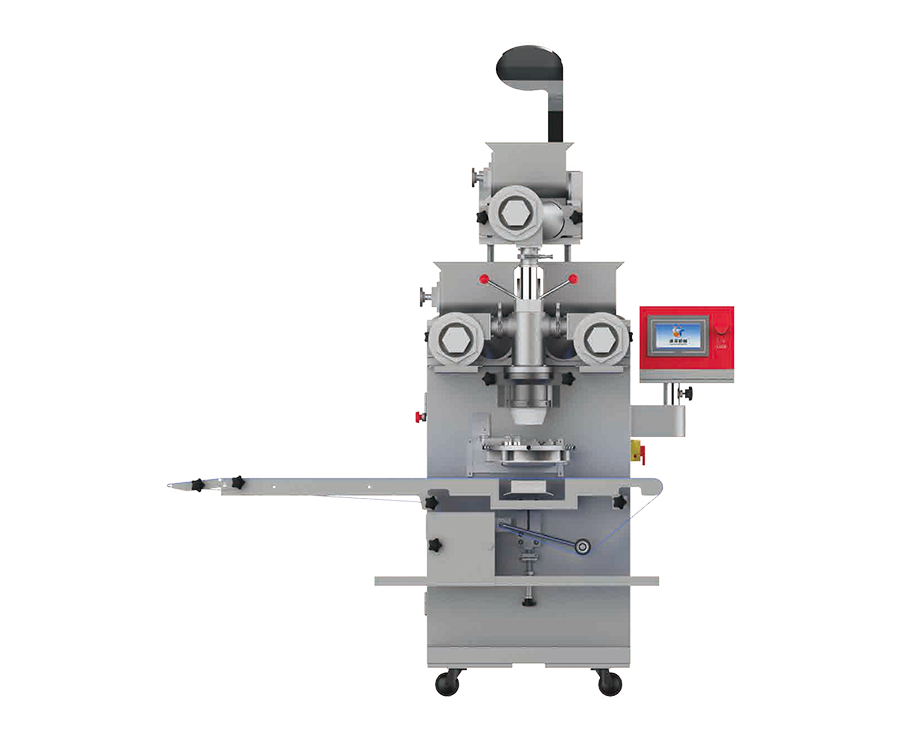
Related Products
Copyright © Shanghai Chengtao Machinery Co., Ltd. All rights reserved.  Food Machinery Manufacturers
Contact Us