
 en
en English
 Español
 Français
 русский
 عربى
عربى
How to Reduce Waste in Food Production Processes
Content
- 1 Precise Portioning Is the First Line of Defense
- 2 Where Waste Actually Occurs in a Typical Line
- 3 Reduce Dough Offcuts Through Better Sheeting Design
- 4 Minimize Rejects with High-Precision Forming Equipment
- 5 Match Production Volume to Demand with Flexible Line Configuration
- 6 Hygiene and Cleaning Protocols That Don't Cost You Production Time
- 7 A Practical Starting Point
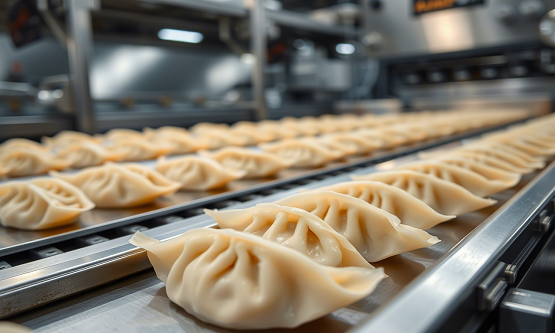
Food waste in manufacturing isn't just a sustainability issue—it directly cuts into your margins. In our work supplying food machinery to producers across more than 60 countries, we've seen the same patterns repeatedly: waste concentrates at a handful of predictable points in the production process. Address those points systematically, and the savings compound quickly. Here's how we approach it.
Precise Portioning Is the First Line of Defense
Inconsistent filling and dough portioning is one of the top causes of material waste on a food production line. When quantities are measured manually, variance of 5–10% per piece is common—multiplied across thousands of units per shift, the cumulative loss is significant.
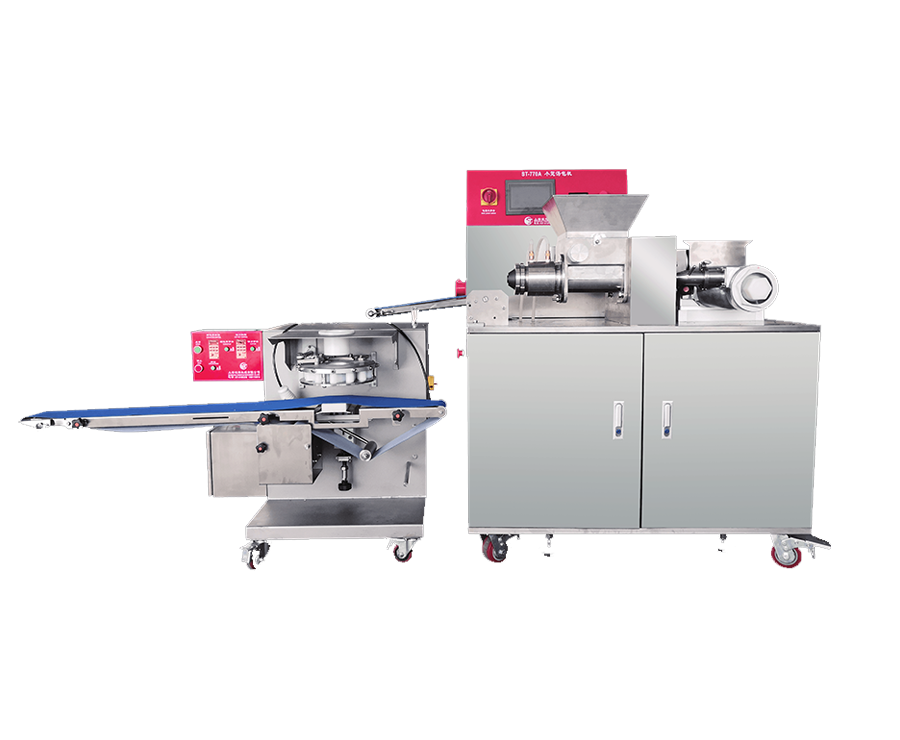
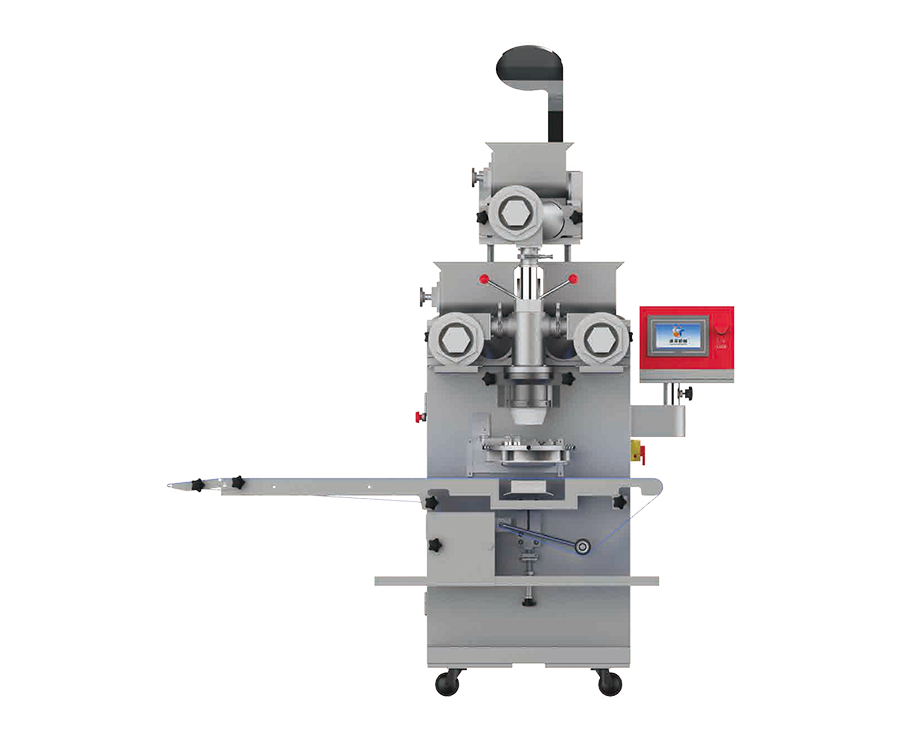
Automated forming equipment addresses this directly. Using bidirectional synchronous quantitative feeding, machines can maintain filling and wrapper ratios within very tight tolerances, shift after shift. For filled products like dumplings, steamed buns, or spring rolls, this alone can meaningfully reduce both overfilling waste and reject rates from underweight pieces.
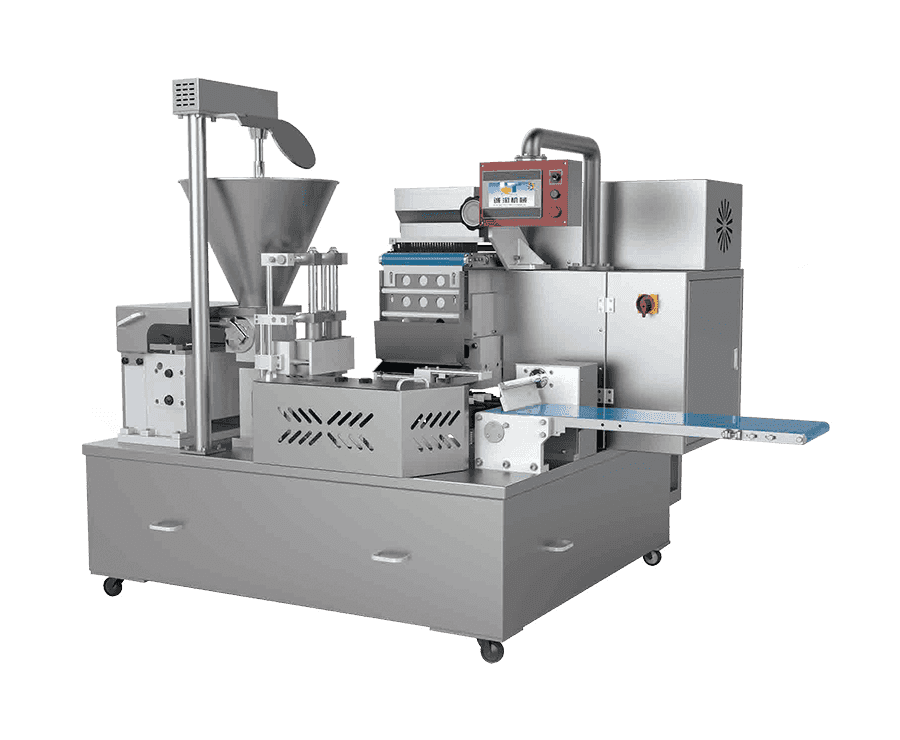
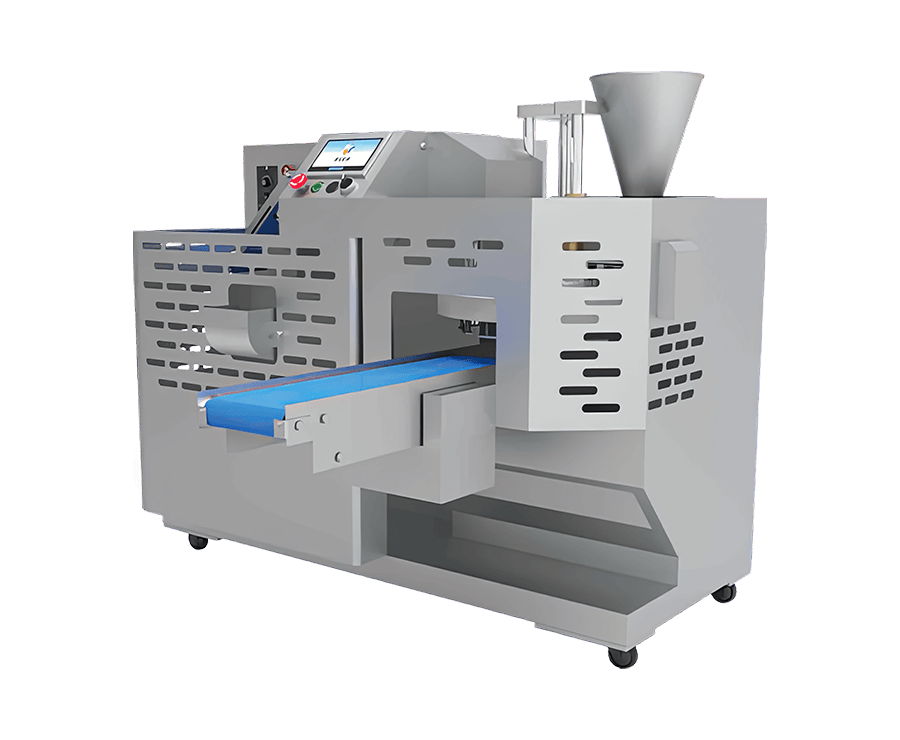
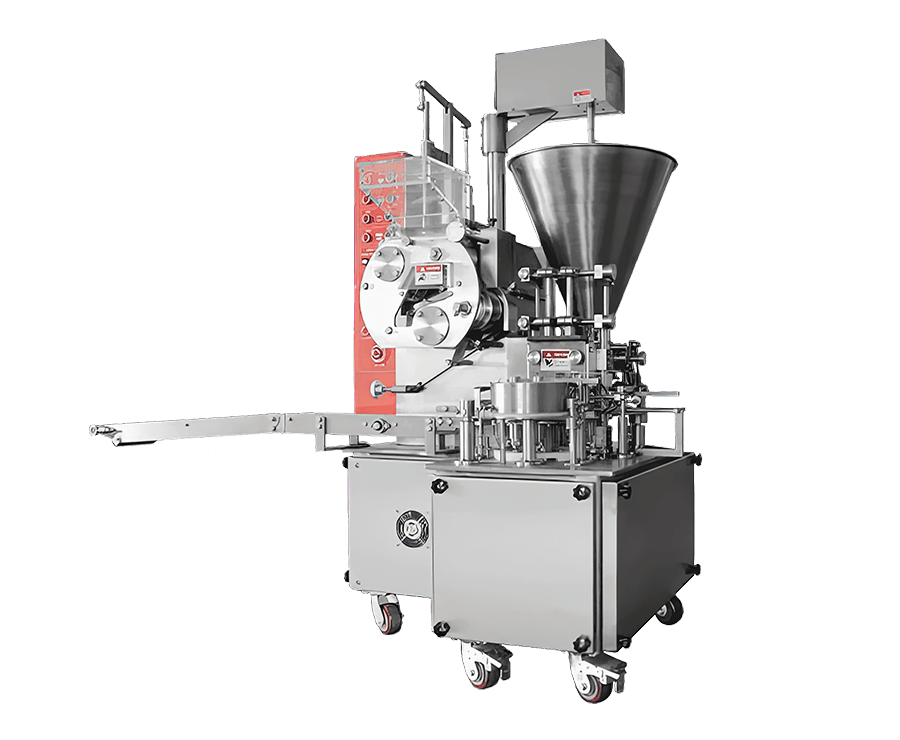
Our food forming machines are engineered with this principle at their core—quantification, thickness, and cut size are all operator-adjustable so you can dial in exactly what your product spec requires.
Where Waste Actually Occurs in a Typical Line
Before investing in solutions, it helps to map where losses are happening. In our experience, the main waste points fall into a consistent set of categories:
| Waste Source | Typical Impact | Recommended Response |
|---|---|---|
| Inconsistent portioning | 5–10% material overuse | Automated quantitative feeding |
| Dough/wrapper offcuts | 2–8% raw material loss | Recirculating scrap dough systems |
| Forming rejects (misshapes) | 1–5% finished product loss | High-precision forming mechanisms |
| Cleaning & changeover downtime | Production capacity loss | Easy-clean, quick-change mold designs |
| Overproduction / poor scheduling | Variable; often 3–15% | Flexible, scalable production lines |
Reduce Dough Offcuts Through Better Sheeting Design
Wrapper and pastry production generates offcuts—this is unavoidable, but the volume is highly controllable. A poorly designed sheeting process can waste up to 8% of your dough in trimmings that never make it into a finished product.
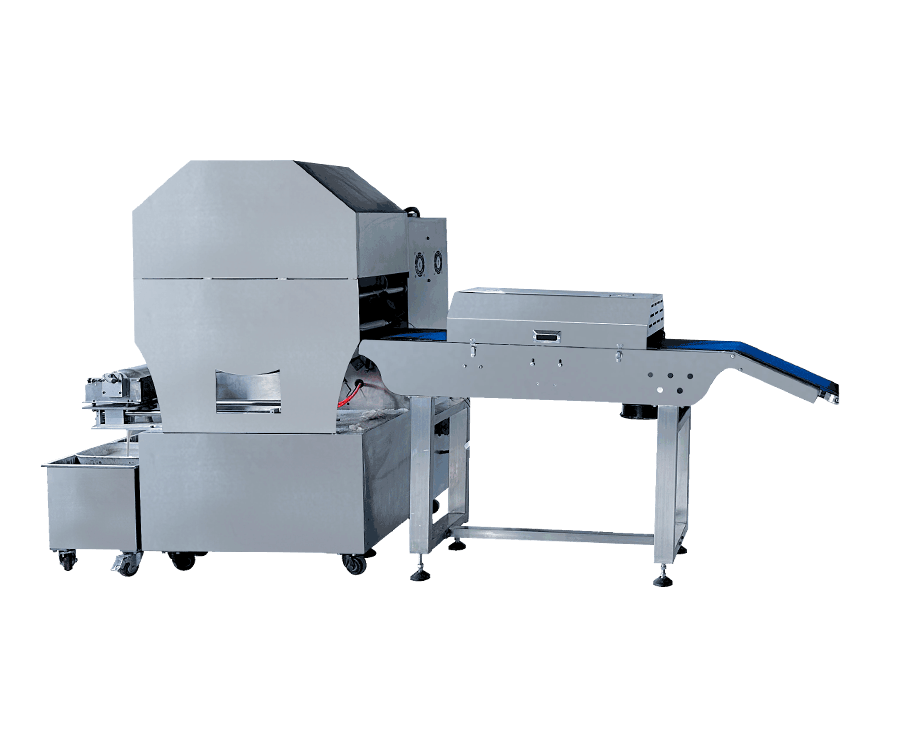
Modern sheeting machines use multi-stage progressive thinning (typically three stages) to bring dough to target thickness gradually rather than in a single press. This reduces tearing, maintains structural consistency, and produces a more uniform sheet with less edge waste. Where the line design allows, offcut dough is returned to the mixer or feeder rather than discarded.
For spring roll production specifically, sheet quality directly determines how much wrapper splits or tears downstream—each tear represents a discarded finished unit. Stable, consistent sheet thickness is the foundation of a low-waste spring roll line.
Minimize Rejects with High-Precision Forming Equipment
Forming rejects—misshapen products that fail visual inspection or seal integrity checks—are pure loss. They consume raw materials, energy, and labor with nothing to show for it.
The key variables that drive reject rates are: filling-to-wrapper ratio consistency, sealing pressure and timing, and dough temperature during forming. High-quality machines are engineered to hold all three stable across extended production runs. Some of our equipment incorporates a cool water recycling system specifically to maintain dough temperature, which would otherwise drift and cause sealing failures.
For producers running multiple SKUs, the ability to swap molds quickly without full-line teardown also reduces the waste that accumulates during changeovers—both in terms of product and time.
Match Production Volume to Demand with Flexible Line Configuration
Overproduction is one of the most overlooked sources of waste in food manufacturing—particularly for frozen and chilled products with defined shelf lives. Producing more than you can ship or store in a given cycle means markdowns, disposal costs, and wasted energy.
The solution isn't to under-invest in capacity—it's to invest in flexible capacity. A well-configured food production line should allow you to scale output up or down, and to switch between product types without prohibitive retooling time or material waste in the transition.
This is especially relevant for frozen food producers, where demand fluctuates seasonally and product variety is often wide. Lines designed for flexibility—rather than maximum single-product throughput—typically deliver better overall yield across a full production calendar.
Hygiene and Cleaning Protocols That Don't Cost You Production Time
Cleaning downtime is a form of waste that often goes unmeasured. On lines with poor access for cleaning, operators spend more time on sanitation, and there's a higher risk of cross-contamination that leads to batch rejections—which is a severe form of waste.
Equipment built with food hygiene as a design priority—using 304 stainless steel contact surfaces, minimal dead zones, and components that can be disassembled and reassembled quickly—reduces both cleaning time and contamination risk. This matters especially for lines running multiple product types, where allergen separation or flavor carry-over could compromise an entire batch.
When evaluating new equipment, ask specifically about cleaning access, disassembly time, and what food-contact materials are used. These factors have a direct bearing on total waste across a production year.
A Practical Starting Point
Reducing waste in food production doesn't require a single large intervention—it requires identifying where your highest-impact losses are and addressing them in order. For most operations, that means starting with portioning accuracy and forming precision, then working outward to line flexibility and sanitation efficiency.
If you're evaluating equipment options or planning a new production line, we're glad to walk through your specific product types and output targets. The right machinery configuration can make waste reduction a structural outcome rather than a management effort.
Explore our range of food making machines or get in touch to discuss your production requirements directly.
Related Products
Copyright © Shanghai Chengtao Machinery Co., Ltd. All rights reserved.  Food Machinery Manufacturers
Contact Us