
 en
en English
 Español
 Français
 русский
 عربى
عربى
Bakery Mixing Equipment: How to Choose Between Spiral, Planetary, and Horizontal Mixers
Content
In a working bakery, the mixer is the one machine every other process waits for. When production grows from a few hundred loaves a day to several thousand, the first bottleneck usually appears at the mixing stage rather than at the oven: dough leaves the machine at inconsistent temperatures, gluten develops unevenly from batch to batch, and the dividing and forming equipment downstream starts producing pieces whose weights drift out of tolerance.
The practical conclusion comes first: spiral mixers are the default choice for bread dough, planetary mixers offer the widest product flexibility, and horizontal mixers win where volume and speed dominate. Once the type is settled, the details that decide performance are batch range, dough temperature control, torque, and hygiene design. The sections below explain how each mixer type works, which specifications deserve attention before purchase, and where mixing mistakes resurface later in the line.
The Three Main Types of Bakery Mixing Equipment
Most commercial bakery mixing equipment falls into three categories, each with a distinct agitator design and a distinct best-fit application.
Spiral mixers
A spiral mixer rotates the bowl while a spiral-shaped agitator turns on its own axis. Because the dough is worked against a moving bowl instead of being dragged around a fixed one, the action is both gentle and fast: gluten in a typical bread dough develops in roughly 8 to 12 minutes, and friction heat stays lower than in most other designs. That is why bread bakeries treat the spiral mixer as their baseline machine. It protects dough structure in high-hydration formulas and keeps finished dough close to its target temperature. The trade-offs appear at the edges of the range: very stiff, low-hydration doughs can strain the drive, and the bowl geometry offers little help when you need to whip cream or meringue.
Planetary mixers
In a planetary mixer the bowl stays still while the agitator orbits it, like an arm stirring a pot. Interchangeable tools - a dough hook, a flat beater, and a wire whip - let one machine handle bread dough, cake batter, cookie paste, whipped cream, and fillings. For bakeries with a broad product mix, that flexibility carries real weight. The limits are batch size and heat: planetary bowls hold smaller batches, the hook works a smaller volume per pass, and friction raises dough temperature faster, so bread batches need closer timing. Larger floor-standing planetary machines still handle serious dough work, which is why many mid-size operations run a single planetary unit as their only mixer.
Horizontal mixers
A horizontal mixer turns one or two paddle shafts inside a closed trough. It produces the largest dough volume in the shortest time, which is why plant bakeries and industrial lines rely on it. Batches are measured in hundreds of kilograms, cycles are short, and the design tolerates stiff doughs well. The costs are footprint, price, and a less gentle gluten treatment than a spiral delivers, so recipes that need careful development require a tuned mixing program.
| Mixer type | Best suited for | Temperature behavior | Key strengths | Main limitations |
|---|---|---|---|---|
| Spiral | Bread and roll doughs, especially high-hydration formulas | Low friction heat; dough stays close to target temperature | Fast, gentle gluten development | Limited whipping ability; very stiff doughs strain the drive |
| Planetary | Cakes, cookies, creams, fillings, and smaller dough batches | Higher friction heat; bread timing needs closer attention | One machine covers many products through attachments | Smaller batches; slower on pure bread production |
| Horizontal | High-volume bread production in industrial plants | Short cycles limit heat gain; cooling jackets can be fitted | Largest batches in the shortest time | Highest cost and footprint; less gentle gluten handling |
Specifications That Decide Whether a Mixer Pays Off
Type is only half the decision. Four specifications separate a mixer that runs reliably for a decade from one that becomes a recurring bottleneck.
Batch range. Every mixer carries a minimum and a maximum load, and both matter more than the headline capacity. Run a spiral mixer below its minimum dough load and the dough rides the agitator instead of being developed; overload the bowl and the motor bogs down while temperatures climb. Check the batch range against your smallest and largest routine production runs, not just your average day.
Dough temperature control. Most bread doughs should leave the mixer at roughly 24 to 27°C, and a swing of 2°C is enough to change fermentation speed noticeably. Bakers calculate a friction factor - the temperature a machine adds per minute of mixing - to predict results. When comparing machines, ask for the friction factor or the measured temperature rise on a recipe similar to yours. Variable-frequency drives help here: a slow first stage incorporates the flour without shock-loading the motor, then a faster second stage completes development.
Torque and motor design. Stiff doughs such as bagel, flatbread, and some steamed bun formulas demand far more torque than hydrated bread doughs. A motor that cruises through white bread may stall or overheat on a stiff mix. Independent frequency-conversion control protects consistency across batches, which becomes critical the moment the mixer feeds an automated line.
Hygiene design. Specify stainless steel bowls and agitators, smooth welds, sealed bearings, and surfaces that can be wiped and sanitized without dismantling half the machine. A mixer that is awkward to clean gets cleaned less often, and residue trapped in a spiral channel or around a shaft seal becomes a contamination risk that surfaces later as an audit finding.
Why Mixing Sets the Ceiling on Everything Downstream
Mixing is the first step in the chain, and its quality cannot be corrected later. Dough with inconsistent gluten development divides unevenly: a divider or encrusting machine will still cut pieces, but their weights drift, edges tear, and filling proportions vary. The further downstream you automate, the more predictable the dough must be, because a forming line cannot compensate for a mixer that delivers a different product every twenty minutes.
This is why experienced line designers insist that preparation dictates forming performance: the ceiling on output quality and line speed is set before the dough ever reaches a forming machine. Capacity has to match as well. If a line consumes 500 kg of dough per hour, the mixer must deliver that throughput including discharge, cleaning, and refill time between batches - across a full shift, not just on a specification sheet.
Matching the Mixer to Your Product Range
A few common scenarios show where the decision usually lands:
- A bread-focused bakery or central kitchen: a spiral mixer as the workhorse, plus a smaller planetary unit for fillings, toppings, and cream work.
- A cake, cookie, or pastry operation: a planetary mixer first, with a spiral added only if bread volumes justify the second machine.
- A frozen food or steamed bun plant: an industrial dough mixer feeding forming lines, where mixing consistency directly affects package weights and complaint rates.
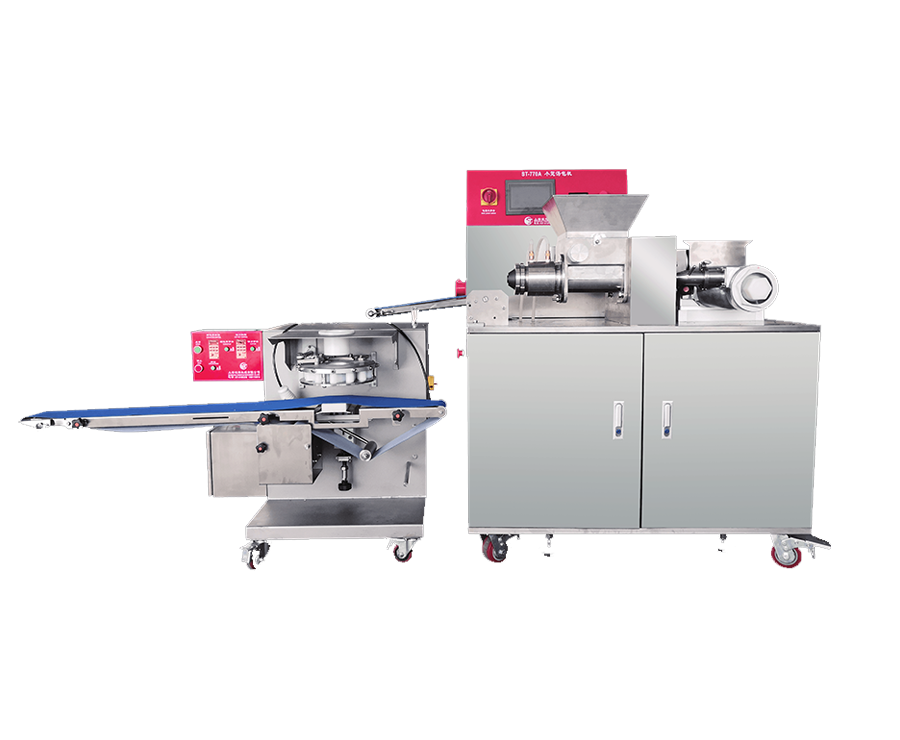
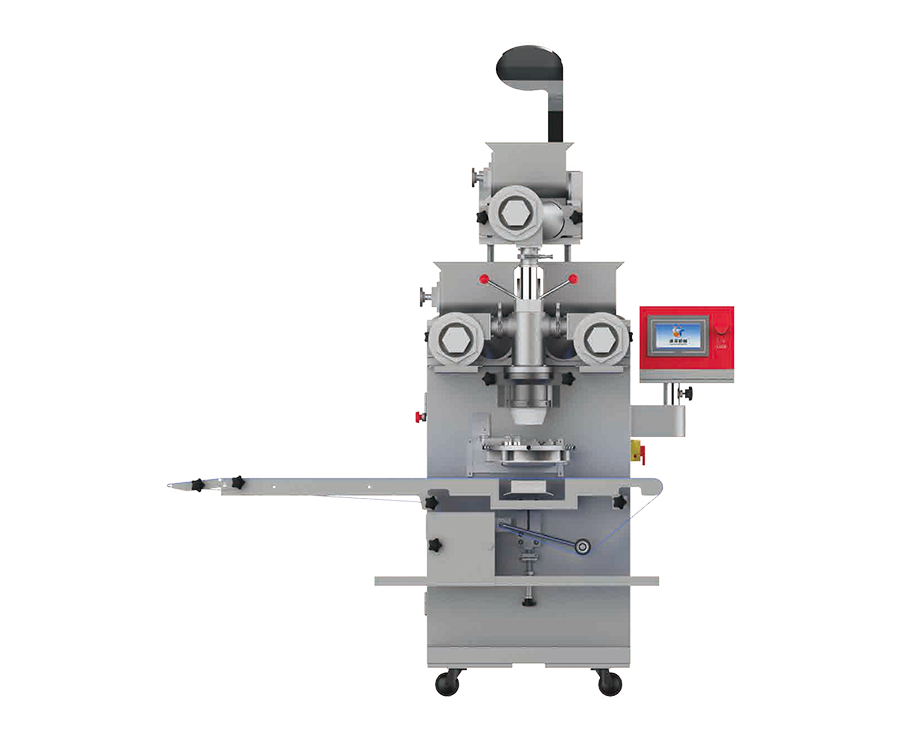
For producers who plan to automate forming as well as mixing, it pays to buy from a supplier that understands the whole chain. Shanghai Chengtao Machinery, for example, builds its dough mixer and planetary mixer as part of a preparation line that connects to its own encrusting, dumpling, and bread forming machines, so batch sizes, discharge timing, and dough temperature are specified with the downstream equipment in mind. Their wider preparation equipment range follows the same logic, from vegetable cutting and meat grinding through to the machines that feed forming.
Procurement Risks Worth Avoiding
Several mistakes recur in mixer purchasing, and every one of them is avoidable before the purchase order is signed:
- Buying one oversized mixer instead of two medium machines. If the single unit is down for a seal replacement, the whole bakery stops. Two machines provide redundancy and let you run different doughs in parallel.
- Ignoring the minimum batch. Test batches, seasonal items, and new product trials all run small. A mixer that cannot handle a quarter bowl turns every trial into wasted flour.
- Underestimating installation requirements. Bowl lifts, ingredient dosing, and ventilation need space and power. Measure clearances and confirm the electrical supply before delivery, not after.
- Skipping a trial with your own recipe. Flour varies by region and season. Run your actual formula at the supplier's test facility and record dough temperature, mixing time, and the condition of the finished dough.
- Leaving temperature targets informal. Write the acceptance criteria into the contract - dough temperature after a defined mixing program, batch duration, and noise limits - so final acceptance has a measurable standard.
The bottom line: choose the mixer type from the dough you make most often, verify batch range and temperature behavior against your real recipes, and size the machine for the line you intend to build rather than only the one you run today. Bakeries that follow this sequence end up with a mixer that quietly supports everything downstream; those that skip it usually rediscover the mixer as their first bottleneck within a year.
Related Products
Copyright © Shanghai Chengtao Machinery Co., Ltd. All rights reserved.  Food Machinery Manufacturers
Contact Us