
 en
en English
 Español
 Français
 русский
 عربى
عربى
Dough Handling Sets the Ceiling: Why Preparation Dictates Forming Performance
Content
- 1 The Direct Link Between Preparation and Forming Performance
- 2 5 Critical Preparation Parameters That Control Forming Behavior
- 3 How Dough Rheology (Extensibility, Elasticity, Stickiness) Translates to Forming
- 4 Case Study: Temperature Control’s Impact on Forming Yield
- 5 Preparation Consistency Index: Measuring and Improving Batch-to-Batch Stability
- 6 A Decision Matrix for Temperature Control Solutions
- 7 Troubleshooting: When Forming Fails, Check Prep First
- 8 Conclusion: The Ceiling Is Set in the Prep Room
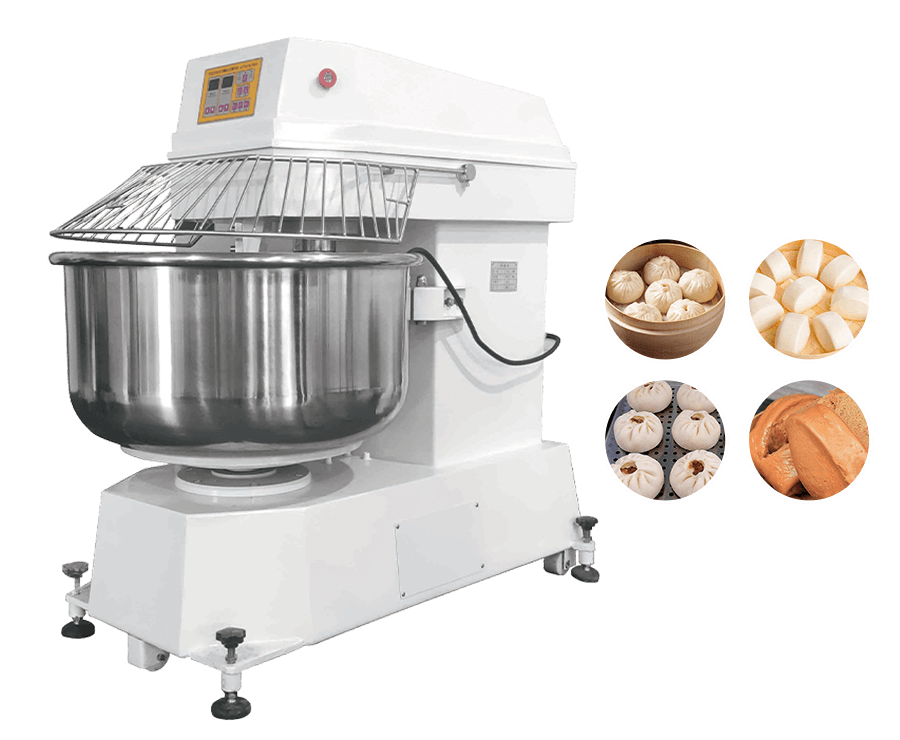
Industrial bakeries lose up to 14% of their daily output at the forming stage—not because forming equipment fails, but because the dough entering that equipment was never prepared to behave predictably. When dough temperature swings just 2°C above target, stickiness increases enough to cause jamming on high-speed lines. The link between preparation and forming is both measurable and direct. Every adjustment made in the prep room raises or lowers the ceiling for what a forming line can achieve, regardless of how advanced the machinery.
The Direct Link Between Preparation and Forming Performance
Dough preparation is often viewed as a preliminary step, separate from the core act of shaping. In practice, every gram of water, every second of mixing, and every degree of temperature sets a performance boundary that no forming machine can surpass. A 2°C increase in dough temperature can reduce forming yield from 96% to 82% on identical equipment—not because the machine is out of spec, but because dough rheology shifted outside its design envelope.
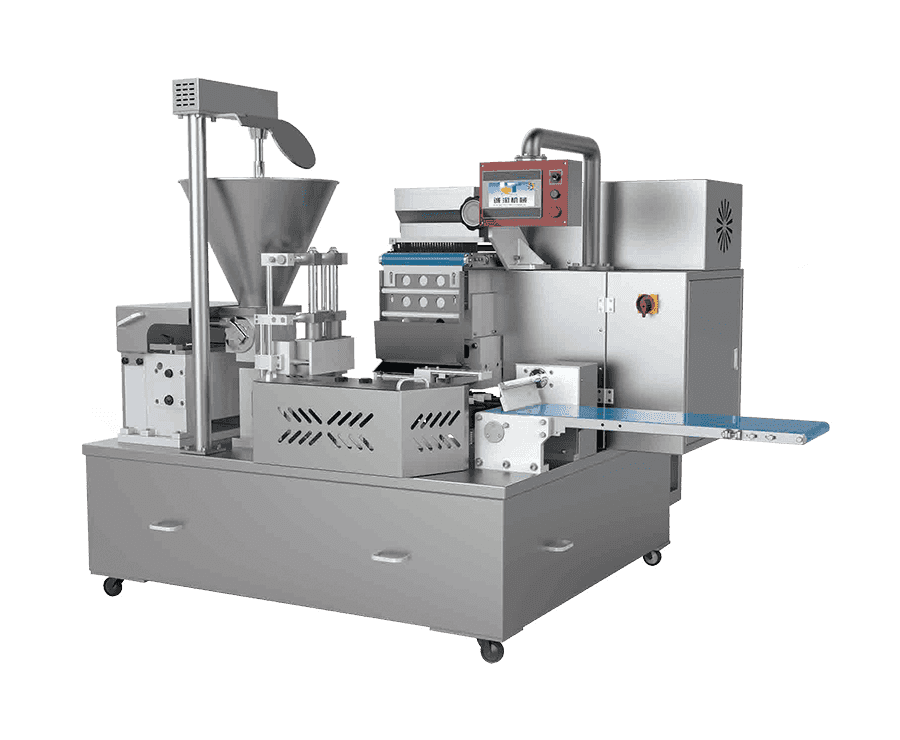
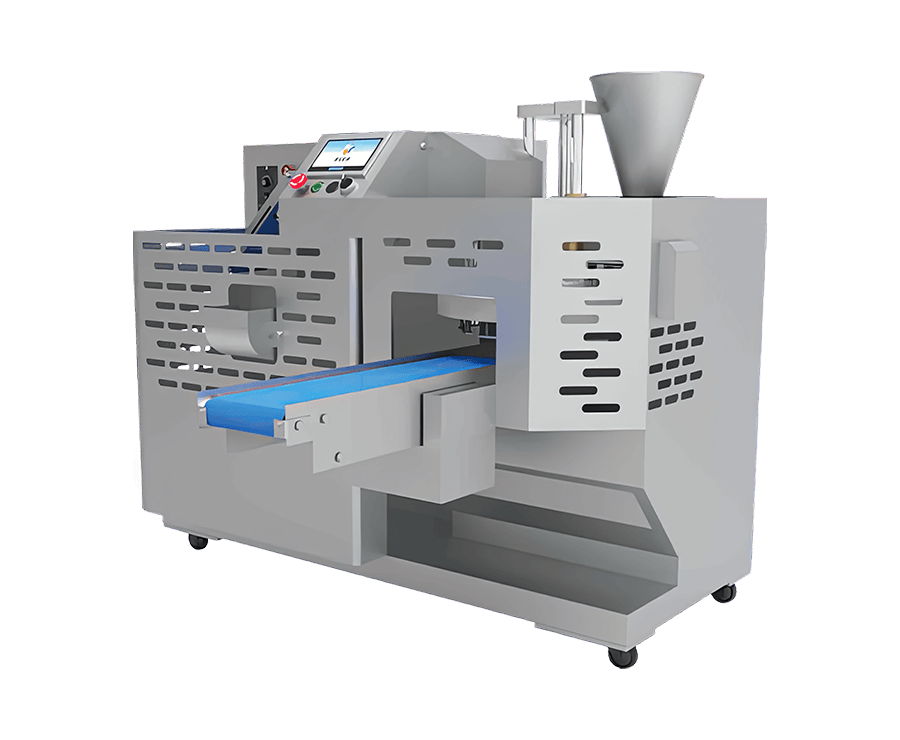
When forming equipment such as automatic encrusting machines are fed dough that has been mixed to target consistency, they achieve repeatable portioning, precise filling ratios, and minimal waste. The same machine will produce torn skins, off-center fillings, and high scrap if preparation parameters drift. The prep room thus becomes the first and most critical point of quality control.
Operators often blame forming equipment when defects spike. Yet the root cause frequently lies in mixing time, hydration variance, or dough temperature. Because forming machines are designed to handle a narrow dough behavior window, even minor prep deviations get amplified into visible forming faults. This amplification explains why investment in preparation consistency yields faster returns than upgrading forming hardware alone.
5 Critical Preparation Parameters That Control Forming Behavior
Five parameters form the foundation of dough handling. They interact, but each exerts a distinct influence on forming performance. Missing the mark on any one of them forces forming lines to slow down or accept higher waste.
| Parameter | Typical Optimal Range (Bread/Wrapper Dough) | Effect on Forming Outside Range |
|---|---|---|
| Dough Temperature | 24–26°C | Too hot: sticky, clings to belts; Too cold: stiff, cracks when folded |
| Water Absorption | 58–62% (flour weight) | Below range: dough too dry, poor cohesion, flaky edges; Above range: slack, difficult to hold shape, excessive stickiness |
| Mixing Time/Energy | 8–12 minutes in spiral mixer (until windowpane) | Under-mixed: weak gluten network, tearing; Over-mixed: tight, elastic dough that shrinks back after sheeting |
| Bench Rest (Relaxation) | 15–30 minutes for dumpling/soup dumpling dough | Too short: dough retracts, uneven thickness; Too long: dough sags, loses structure, may develop skin |
| Ambient Humidity | 50–65% RH | High: dough surface becomes sticky, dusting powder clumps; Low: skin forms, leading to cracking during forming |
Using a dedicated dough mixer with programmable speed and time curves ensures mixing energy is applied consistently, avoiding the pitfalls of under- or over-development. Meanwhile, chilled water dosing directly controls final dough temperature without altering the formula, a lever that will reappear throughout this discussion.
Water absorption and bench rest are often overlooked because they feel intuitive. Yet batch-to-batch variation of just 2% in hydration can change dough stickiness enough to force operators to adjust forming machine pressure settings constantly. Standardizing these five parameters removes guesswork and lets forming lines run at their designed throughput.
How Dough Rheology (Extensibility, Elasticity, Stickiness) Translates to Forming
Rheology is the bridge between preparation decisions and forming results. Three properties matter most for machine forming: extensibility, elasticity, and stickiness. Each one dictates how dough behaves when it meets sheeting rollers, divider blades, or encrusting dies.
Extensibility allows dough to stretch without tearing. High extensibility is essential for thin wrappers like spring roll sheets or dumpling skins. If extensibility is too low, the dough will tear at the sheeter or during folding, creating scrap. This property is governed primarily by water absorption and proper relaxation. A well-rested dough with correct hydration can stretch farther, so forming lines can run faster without breakage.
Elasticity, the dough’s tendency to spring back, is the enemy of shape retention. A highly elastic dough shrinks after cutting or sheeting, distorting final product dimensions. Under-mixing or insufficient bench rest exacerbates elasticity. Forming machines can apply more pressure to compensate, but that increases mechanical stress and can degrade dough structure. The goal is a balanced extensibility-to-elasticity ratio, achieved through precise mixing time and adequate relaxation.
Stickiness is the least forgiving property on high-speed lines. Even a slight stickiness increase causes dough to adhere to belts, molds, or scraper blades, generating jams. Dough temperature above 26°C and excess hydration both raise stickiness. Controlling these variables in prep eliminates the need for excessive dusting flour, which in turn preserves product appearance and reduces airborne dust in the bakery.
Case Study: Temperature Control’s Impact on Forming Yield
A mid-sized production bakery in Southeast Asia producing filled steamed buns was experiencing a 18% scrap rate at its forming station. The dough was sticky, tearing during portioning, and causing frequent line stoppages. Initial investigation focused on the forming machine, but the real problem was in the prep room: dough was being discharged from the mixer at 28–30°C, well above the target of 24°C.
After installing a chilled water dosing system as part of its preparation line, the bakery held final dough temperature steady at 24°C, with a standard deviation below 0.8°C. Within one week, forming yield climbed to 96%. Line speed increased by 12% because operators no longer needed to slow down to manage stickiness. The payback on the temperature control upgrade was under four months.
This case illustrates a broader truth: the most cost-effective way to raise forming performance is often to tighten preparation tolerances before upgrading forming machinery. Temperature is the easiest parameter to measure and control, yet it delivers the most dramatic improvement.
Preparation Consistency Index: Measuring and Improving Batch-to-Batch Stability
Average values can hide dangerous instability. A mixer might produce dough at an average temperature of 25°C, but if individual batches swing between 23°C and 27°C, forming performance will mirror that oscillation. The coefficient of variation (CV%) for dough temperature and hydration quantifies this stability in a single number. Reducing CV% for dough temperature from 5% to 2% can allow 15% higher forming speed.
| Dough Temperature CV% | Typical Forming Speed (pieces/min) | Waste Rate |
|---|---|---|
| <2% | 120–150 | 1–2% |
| 2–5% | 80–120 | 3–5% |
| >5% | 50–80 | 8–14% |
Build a simple data capture routine: log dough temperature and water absorption for every batch, calculate the CV% weekly, and set a target ceiling such as 2.5%. When CV% climbs, inspect the mixing process, check for seasonal changes in flour protein, or recalibrate water metering. This index gives production managers a single, non-technical number to track and improve.
Automated preparation equipment with digital temperature and water control makes maintaining low CV% achievable without operator heroics. The consistency index not only predicts forming performance but also correlates strongly with final product texture and shelf life.
A Decision Matrix for Temperature Control Solutions
Choosing how to control dough temperature depends on production volume, budget, and recipe flexibility. Three common approaches differ sharply in cost and precision.
| Method | Capital Cost | Annual Operating Cost | Temperature Accuracy | Best For |
|---|---|---|---|---|
| Chilled Water Dosing | Low–Medium | Low | ±0.5°C | High-volume doughs with fixed hydration; rapid payback |
| Jacketed Mixer Bowl | Medium–High | Medium | ±1°C | Versatile production where recipes change; gentle cooling |
| Ambient Air Conditioning | High (facility-wide) | High | ±2°C | Entire prep room stability; suitable when multiple mixers run simultaneously |
Chilled water dosing offers the quickest win for lines that use a fixed amount of water per batch. By calculating water temperature based on flour temperature and friction factor, the mixer discharges dough within half a degree of target every time. Jacketed mixer bowls provide more flexibility for artisanal recipes where water amount varies, but they have a higher initial cost and slower temperature correction rate. Ambient air conditioning covers the entire prep area and benefits all processes, but achieving tight temperature control room-wide is expensive and slow to respond to heat loads from friction.
Most bakeries start with chilled water dosing and add jacketed bowls or room conditioning as capacity grows. The core principle remains: precise temperature control in preparation directly expands the forming window.
Troubleshooting: When Forming Fails, Check Prep First
When forming defects appear, resist the urge to reach for forming machine adjustments. Instead, walk the diagnostic chain back to the prep room. Follow this priority sequence, which moves from most common to least common culprits.
- Measure dough temperature at mixer discharge. If above 26°C, reduce water temperature or mixing time until you hit 24–26°C.
- Verify water absorption with a quick moisture test. Adjust to bring it within 1% of target.
- Perform a windowpane test to assess gluten development. If the membrane tears quickly, extend mixing slightly; if the dough feels tight and snaps back, reduce mixing time or increase bench rest.
- Check bench rest duration. For laminated or filled products, ensure relaxation time matches the forming speed; adjust upstream timing rather than forcing through.
- Record ambient temperature and humidity. If outside the 20–27°C and 50–65% RH range, consider temporary corrections like dusting flour adjustment until room control is upgraded.
Document every event so that patterns emerge. Over time, this diagnostic routine builds institutional knowledge and guides capital investment toward the most impactful preparation upgrades.
Conclusion: The Ceiling Is Set in the Prep Room
No forming machine can outperform the dough it receives. Temperature, hydration, mixing, and rest define the outer boundary of what a line can achieve. Shifting focus from troubleshooting forming machines to engineering preparation consistency is the most leverageable change an industrial bakery can make. The numbers are clear: a few degrees of temperature control can unlock double-digit yield gains and faster throughput. In the end, the ceiling sits not on the factory floor, but inside the mixer bowl.
Related Products
Copyright © Shanghai Chengtao Machinery Co., Ltd. All rights reserved.  Food Machinery Manufacturers
Contact Us