
 en
en English
 Español
 Français
 русский
 عربى
عربى
From Handmade Taste to Mechanical Replication: The Parameters That Matter
Content
- 1
- 2 The Handmade-to-Machine Gap: Why Taste Gets Lost in Translation
- 3 The 5 Critical Parameters That Control Taste in Automated Production
- 4 Parameter Mapping: How to Convert Artisan Know‑How into Machine Settings
- 5 Case Study: Replicating the Taste of Handmade Soup Dumplings (Xiaolongbao)
- 6 Decision Matrix: Choosing the Right Machine Parameters for Your Product Line
- 7 The Cost of Getting Parameters Wrong: Waste, Downtime, and Lost Flavor
- 8 How to Start Your Handmade‑to‑Machine Transition Without Losing Your Recipe
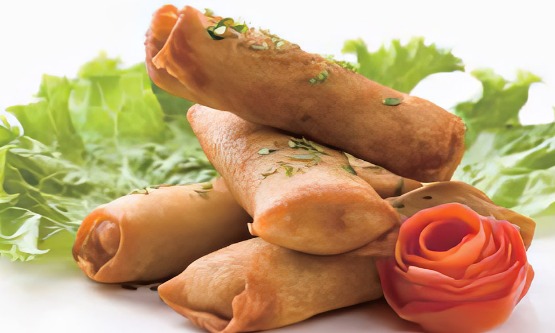
The Handmade-to-Machine Gap: Why Taste Gets Lost in Translation
In a double-blind taste test of 120 consumers, handmade soup dumplings scored an average of 4.5 out of 5 for "authentic mouthfeel." A poorly calibrated automated line produced the same dumpling style at just 3.2. Yet another machine run—using precise parameter adjustments—hit 4.3. The difference wasn't the machine. It was the translation of artisan know-how into repeatable settings.
Handmade production relies on sensory intuition: the kneader feels gluten development, the wrapper judges hydration by touch, the steam master adjusts timing by sight. Machines demand numbers. Without that numerical bridge, the gap between handmade taste and mechanical replication widens into a chasm of dry fillings, tough skins, and inconsistent portioning.
Five core differences define this translation gap. First, dough rheology: hand kneading adapts elasticity in real time, while a mixer needs fixed rpm and hydration targets. Second, portion control: muscle memory creates uniform pieces; an automatic former requires a set mass tolerance. Third, filling distribution: a human hand can place filling off-center to allow perfect pleating, but a volumetric depositor must account for that offset via nozzle position. Fourth, cooking response: a baker opens a damper by instinct; a continuous steamer needs a temperature ramp profile. Fifth, feedback loop: artisan taste-check after each batch is instant, whereas inline sampling lags by minutes.
Closing this gap demands converting each of those sensory judgments into a control parameter. The rest of this article maps the five parameters that directly govern taste—and shows how to calibrate them.
The 5 Critical Parameters That Control Taste in Automated Production
Mechanical replication isn't about copying a shape; it's about reproducing the thermodynamic, rheological, and textural experience. Five parameters sit at the center of that experience. Whether you're producing frozen dumplings, Japanese-style gyoza, or filled steam buns, these parameters weigh differently—but ignoring any one will compromise the final taste.
| Parameter | Soup Dumpling | Gyoza | Spring Roll | Baked Mooncake |
|---|---|---|---|---|
| Forming pressure (MPa) | High | Medium | Low | High |
| Temperature curve (°C) | High | Medium | Low | High |
| Filling moisture (%) | High | High | Medium | Low |
| Dough RPM/knead time | Medium | High | High | Medium |
| Die gap / skin thickness | High | Medium | Low | Medium |
Forming pressure dictates whether a dumpling edge seals without crushing the filling compartment. Too low, and the wrapper opens during steaming; too high, and the filling turns dense or leaks. For soup dumplings, a pressure range of 0.3–0.5 MPa keeps the gelatinized broth intact while sealing a paper‑thin skin. Machine‑formed gyoza, by contrast, tolerate slightly lower pressure because the pleat geometry relieves stress.
Temperature curve matters beyond the cooking stage. In automated lines, dough temperature during forming and filling temperature during depositing are both critical. An integrated steaming cart that holds a ±1°C ramp from 25°C to 98°C over six minutes prevents skin blistering. Ice‑water cooling of the filling hopper—keeping filling at 2‑4°C—slows fat separation and preserves the brothy mouthfeel distinctive of xiaolongbao.
Filling moisture influences both machine handling and taste. Wet filling with 65‑70% moisture creates juiciness but increases stickiness inside the die. A precise moisture window, maintained by in‑line refractometers, prevents production halts. Drier fillings work for baked goods, where excess water would cause soggy crusts.
Dough RPM and knead time are often overlooked. Over‑kneading develops excessive gluten, making wrappers chewy in a way that mimics poor handmade technique. Proper settings—for example, 120 rpm for 8 minutes on a spiral dough mixer—yield an extensible dough that mimics rested, hand‑kneaded texture.
Die gap / skin thickness is the final taste signature. A difference of 0.1 mm changes bite texture. Automatic encrusting machines with independent die gap adjustment let operators target 0.7‑1.0 mm for soup dumplings and 1.2‑1.5 mm for pan‑fried buns.
Parameter Mapping: How to Convert Artisan Know‑How into Machine Settings
The skilled dough master doesn't look at a tachometer. Yet his “until the dough clears the bowl” translates to a repeatable torque curve. Converting craft into machine language requires observing a few basic mapping steps, not esoteric engineering.
- “Pinch wrapper, roll, fill” → Skin thickness + filling offset: Use a digital caliper to measure 30 handmade wrappers; set the die gap to the median thickness (e.g., 0.9 mm). Position the filling nozzle offset 2 mm from center to match the hand’s natural off‑center placement for pleating.
- “Steam until the skin shines” → Temperature ramp profile: Log the internal steam chest temperature while the master steams a batch. A typical handmade profile starts at 80°C for 2 minutes (gentle expansion), then 98°C for 4 minutes. Program a two‑stage steam cabinet accordingly.
- “Season until it tastes right” → Salt extraction index: Hand‑mixed fillings often taste saltier immediately because of uneven distribution; mechanical filling needs a 0.3‑0.5% higher initial salt concentration to mimic that perception after standing.
This mapping isn't a one‑time exercise. Seasonal flour protein shifts (from 9% to 12% protein) require re‑mapping hydration absorption, changing dough RPM and water addition by a predictable factor. A documented mapping log creates an institutional knowledge base that outlasts any individual artisan.
Case Study: Replicating the Taste of Handmade Soup Dumplings (Xiaolongbao)
A frozen dumpling manufacturer wanted to match the delicate juiciness and thin skin of its flagship handmade xiaolongbao using a fully automatic encrusting machine. Initial trials produced thick‑skinned dumplings with 14% broth loss after steaming, compared to 5% for the handmade control.
The parameter intervention focused on two levers: forming pressure and filling temperature. Reducing forming pressure from 0.6 MPa to 0.35 MPa prevented the gel‑bound broth from rupturing the skin during sealing. Simultaneously, adding an ice‑water jacket to the hopper held the pork‑gelatin filling at 2‑3°C, preserving fat‑capsule integrity until steam heat melted them inside the sealed skin.
After these changes, blind‑panel scores rose from 3.1 to 4.4 (on a 5‑point scale), matching the handmade score within 0.2 points. Broth retention increased to 93%, and the incidence of leaking bottoms dropped below 1%. The line ran consistently at 40 pieces per minute—a speed no hand‑wrapping team could sustain. For producers looking to replicate this success, the correct forming machinery is essential; automatic forming machines with adjustable pressure and cooling can close the taste gap without sacrificing throughput.
Decision Matrix: Choosing the Right Machine Parameters for Your Product Line
A single machine can produce dumplings, wontons, and baked mooncakes by swapping dies and adjusting settings. But the parameter priorities shift with each product. The table below matches product types to recommended machine configurations and target parameter windows.
| Product | Machine Head | Forming Pressure (MPa) | Filling Temp (°C) | Skin Thickness (mm) | Output (pcs/min) |
|---|---|---|---|---|---|
| Boiled dumpling | Single | 0.25–0.35 | 4–8 | 1.0–1.2 | 60 |
| Soup dumpling | Single | 0.30–0.45 | 2–4 | 0.7–1.0 | 40 |
| Pan‑fried gyoza | Dual | 0.20–0.30 | 5–7 | 1.0–1.1 | 80 |
| Spring roll | Single | 0.10–0.15 | 15–20 | 0.5–0.7 | 35 |
| Baked mooncake | Dual | 0.40–0.55 | 20–25 | 1.5–2.0 | 20 |
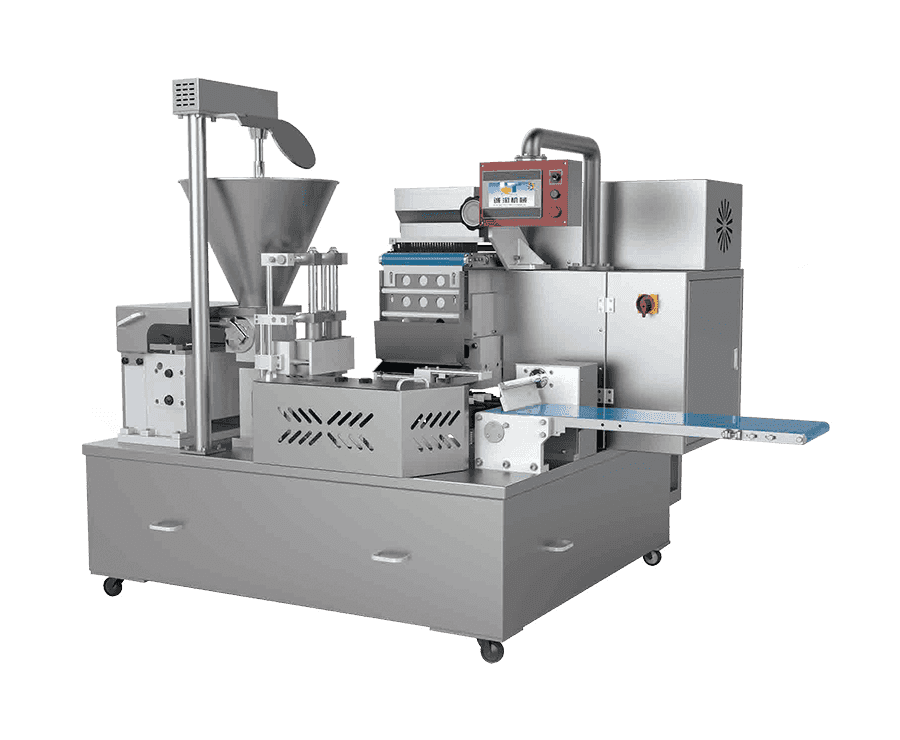
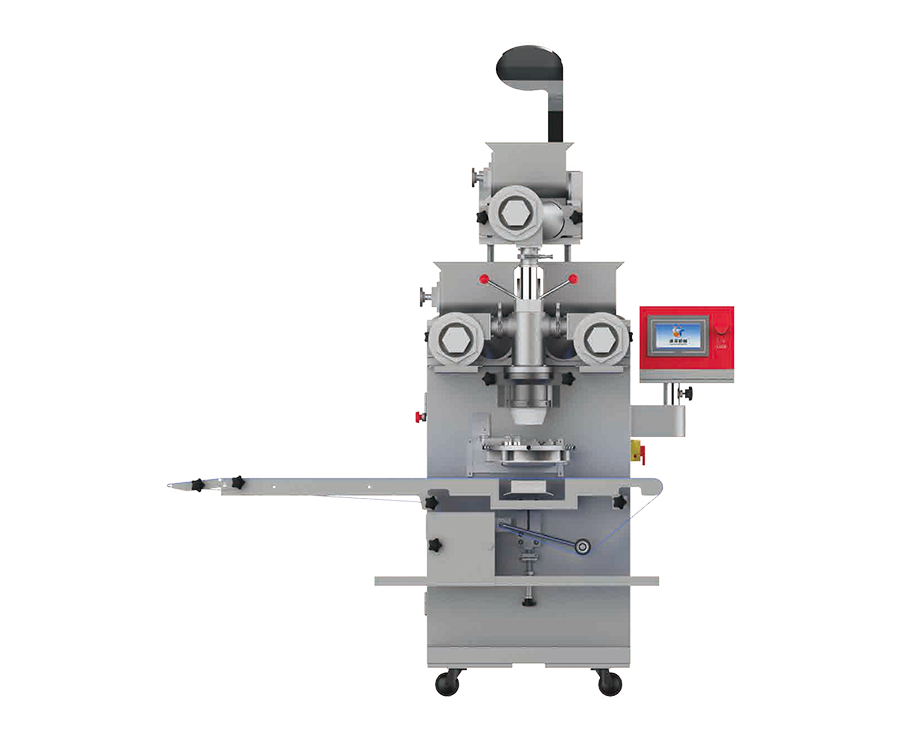
Dual‑head machines, such as the ST168‑Plus, let you run two dies simultaneously—one for the skin and one for the filling—improving portion consistency and reducing seal failures on products like gyoza. A single‑head setup is sufficient for boiled dumplings and spring rolls if downtime‑to‑output ratio is already optimized.
Selecting the right forming equipment isn't about picking the highest capacity. It's about matching the parameter bandwidth to the product's fragility. Soup dumplings demand gentle pressure and active cooling; mooncakes require heavy compression but minimal cooling. Building that flexibility into your line prevents the expensive mistake of retrofitting after installation.
The Cost of Getting Parameters Wrong: Waste, Downtime, and Lost Flavor
Improper parameter settings don't just produce sub‑optimal taste—they generate measurable financial losses. A single shift running at 60 pcs/min with a 5% waste rate discards 1,440 pieces per eight‑hour shift. At a material cost of $0.08 per piece, that adds up to $115 per shift, or over $30,000 annually per line.
Waste is just the beginning. Parameter‑driven downtime from die jamming or filling bridging erodes Overall Equipment Effectiveness (OEE). Each unscheduled micro‑stop of 3 minutes, repeated 12 times a day, devours 36 minutes of production—roughly 7% of a single shift's run time. A line that could run at 85% OEE may fall to 75%, losing thousands of units per week.
Then comes the hidden cost of flavor inconsistency. A retailer that receives two pallets of machine‑made dumplings—one slightly under‑pressured with open seams, another with over‑worked dough—will reject the lot. Customer loyalty plummets when the taste of a product varies between batches. Correcting parameters after the fact is far more expensive than dialing them in during the initial commissioning phase.
Mold changeover time is another parameter‑adjacent cost. If a line takes 45 minutes to switch from 12‑gram dumpling molds to 25‑gram bun molds, producing five SKUs in a day may consume over 3 hours of downtime. Machines that allow quick‑release die mechanisms and programmable parameter presets reduce this to under 15 minutes per changeover, increasing total weekly output by up to 15%.
How to Start Your Handmade‑to‑Machine Transition Without Losing Your Recipe
Transitioning from a skilled hand‑line to an automated production system triggers anxiety in any kitchen. The fear is real: machines can't taste. But a phased approach removes the risk of losing your signature flavor.
- Phase 1 – Hybrid Trials (Weeks 1‑4): Keep your handmade line running while a single machine station (e.g., an automatic encruster) produces small batches. Use the mapping techniques above to log every parameter against blind taste results. Freeze samples for shelf‑life comparison. Target a taste deviation of no more than 0.2 on a 5‑point scale before moving to the next phase.
- Phase 2 – Mixed Production (Weeks 5‑12): Ramp the machine line up to 50% of total volume. Run handmade and machine‑made lots through the same steamer or fryer so any cooking‑stage differences become visible. Adjust the temperature ramp if needed. At this stage, the ROI from labor savings already begins, averaging 2‑4 months for simple products like dumplings.
- Phase 3 – Full Automation (Month 4+): Transfer all volume to the automated line. Finalize the parameter recipe and lock controls with password protection. Perform quarterly check batches against a frozen gold‑standard sample from the handmade era. The line should now deliver consistent taste, with a fully documented parameter history for every production run.
A gradual transition not only preserves your product's sensory identity but also gives your team time to develop troubleshooting skills. Direct access to the equipment manufacturer’s application engineers—especially for initial parameter tuning—can shorten Phase 1 by several weeks. When you're ready to move from concept to production, a full‑scale forming system like the ST168‑Plus automatic encrusting machine provides the precision control needed to lock in those artisan‑derived settings.
Related Products
Copyright © Shanghai Chengtao Machinery Co., Ltd. All rights reserved.  Food Machinery Manufacturers
Contact Us