
 en
en English
 Español
 Français
 русский
 عربى
عربى
Food Manufacturing Machines: Automatic Dumplings, Gyoza & Rolls
Content
- 1
- 2 Overview: What a Food Manufacturing Machine Does
- 3 Key Components and How They Work
- 4 Choosing the Right Machine for Your Product
- 5 Layout & Production Planning
- 6 Operation Best Practices
- 7 Maintenance and Sanitation
- 8 Troubleshooting Common Issues
- 9 Safety, Hygiene & Regulatory Compliance
- 10 Costing, Throughput & ROI Considerations
- 11 Practical Example: Setting Up a Small Gyoza Line
- 12 Final Checklist Before Purchase

Overview: What a Food Manufacturing Machine Does
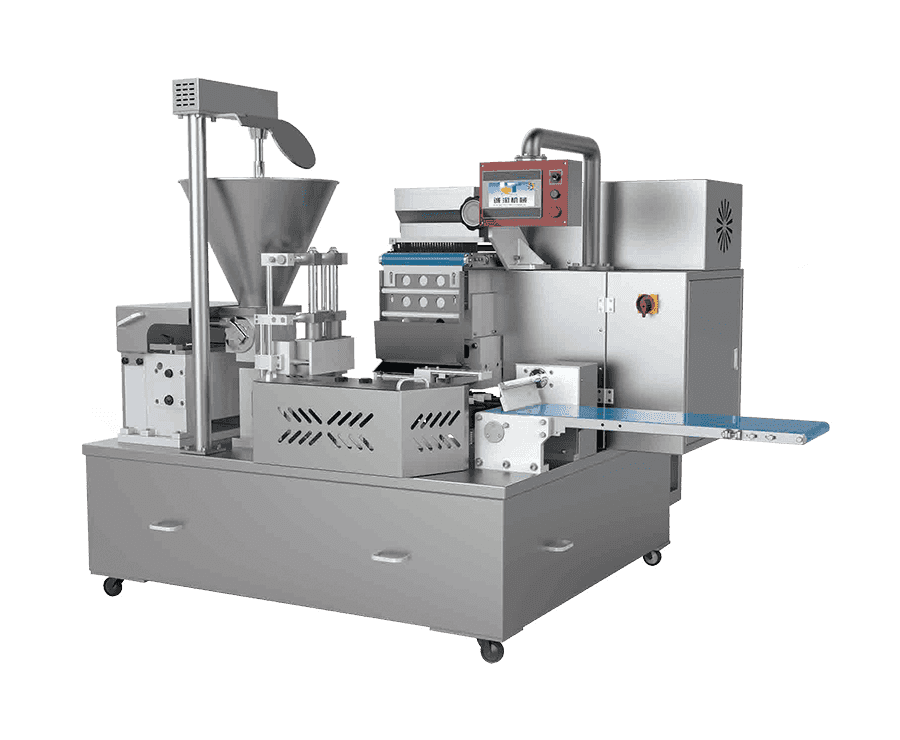
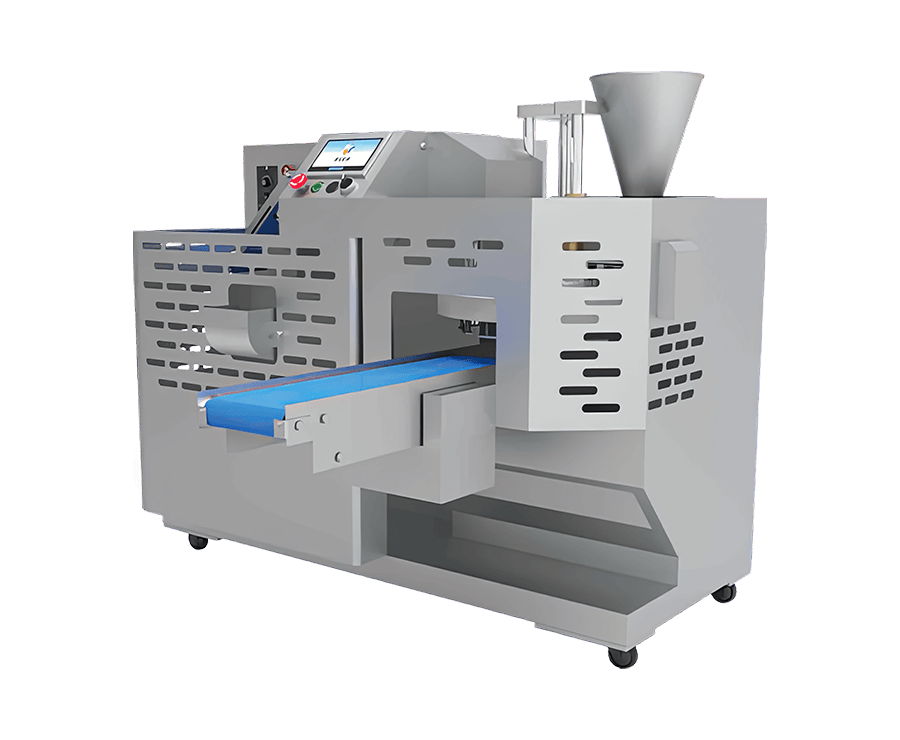
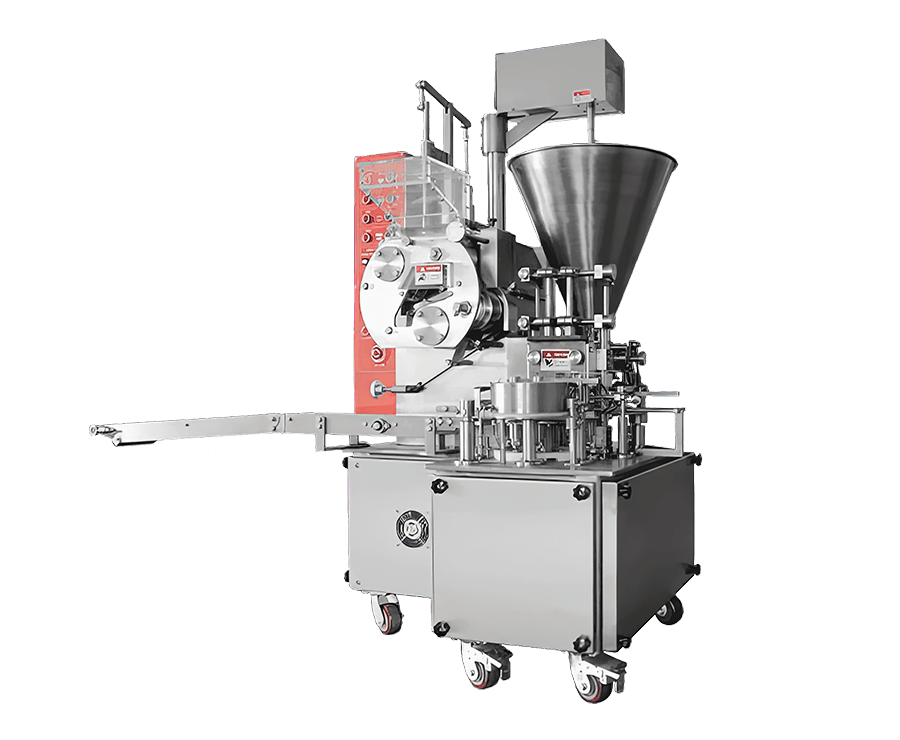
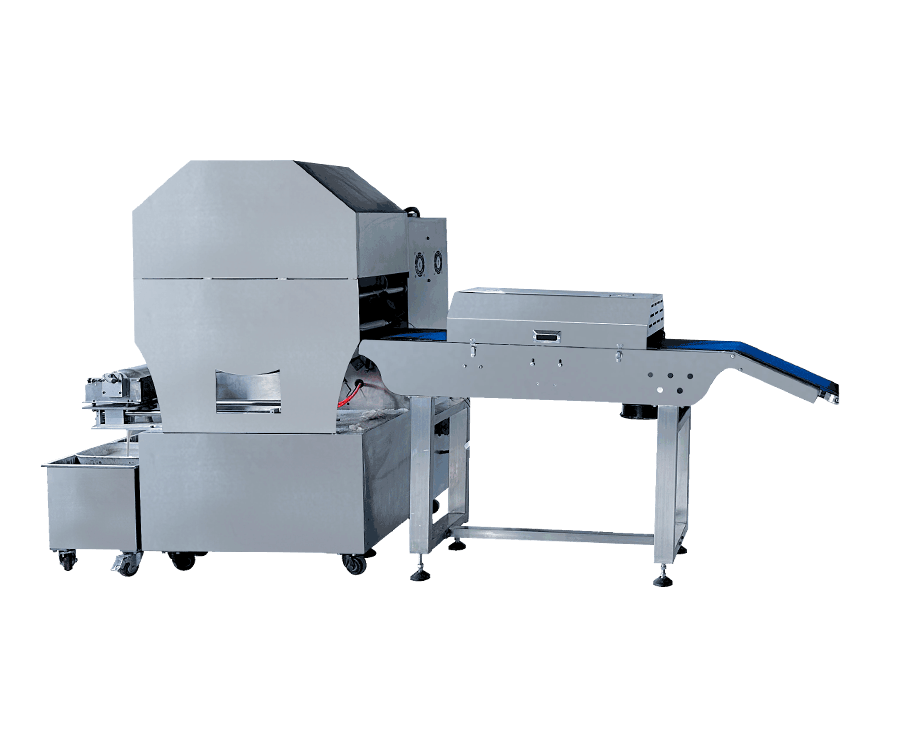
A food manufacturing machine converts raw ingredients into finished products at scale with repeatable shape, weight and quality. In this article we focus on machines used for stuffed and formed products — automatic dumplings, gyoza machines, spring roll machines — and small-scale cake/forming lines. The goal is practical: how these machines work, what to compare when buying, how to set up a production line, maintenance routines, common troubleshooting and a brief ROI checklist.
Key Components and How They Work
Modern forming and stuffing machines share a core set of components. Understanding them helps in diagnosing problems and specifying equipment for your product.
Dough and Wrapper Feed System
This subsystem handles sheet extrusion, rolling or pre-cut wrapper feeding. For gyoza and dumpling machines it may be a dough extruder plus roller; for spring roll lines it often feeds pre-made pastry sheets or rice paper. Key spec: wrapper thickness tolerance (mm) and steady feed speed (m/min).
Filling Metering and Deposit Mechanism
Metering controls the filling weight per piece using pistons, volumetric cups, or pump systems (for loose/viscous fillings). Accurate metering reduces giveaway and ensures consistent cooking times downstream. Look at accuracy ±g or ±% per piece when comparing machines.
Forming, Sealing and Cutting Unit
This is where wrapper and filling become a finished shape. Machines differ: rotary molds (high speed), reciprocating molds (better for varied shapes), or servo-driven cutters (precision). Sealing can be heat, pressure, ultrasonic or adhesive depending on wrapper type.
Conveyor, Transfer & Integration Points
Conveyors link upstream (dough/filling) and downstream (proofing, freezing, baking). Transfer geometry affects yield — minimize sharp turns and vertical drops for filled products. Check conveyor speed range and synchronization options (encoder/PLC integration).
Choosing the Right Machine for Your Product
Choosing depends on product type, targeted throughput, floor space, labor skill, and food safety needs. Below is a compact comparison to help scope requirements quickly.
| Machine Type | Typical Output (pcs/min) | Best For | Key Specs to Check |
| Automatic Dumpling/Gyoza Machine | 30–300 | Filled dumplings, gyoza, potstickers | Filling accuracy, wrapper feed, seal type, cleaning access |
| Spring Roll Machine | 20–200 | Crisp spring rolls, fresh rolls (rice paper) | Wrapper compatibility, fold patterns, fryer or pre-bake integration |
| Small Cake/Forming Line | 10–100 (varies) | Portion cakes, filled cakes, sandwich cakes | Depositor type, mold sizes, portion weight range |
Layout & Production Planning
Careful layout minimizes manual handling and contamination risk. Plan flow from raw material staging → mixing → wrapper/dough preparation → forming/packing → cooking/freezing → packing. Use these practical rules:
- Place ingredient storage and mixing close to the filling station to shorten hose/transfer runs and keep viscosity consistent.
- Design a single-direction workflow (raw → cooked/frozen → packed) to avoid cross-contamination.
- Allow 15–25% extra linear conveyor length for buffers and temporary accumulations to prevent blocking upstream machines.
- Reserve space for access panels so operators can clean, adjust and remove jammed pieces without disassembling major modules.
Operation Best Practices
To keep yield high and downtime low, standardize operation routines and train staff on adjustments. Key operational checkpoints include start-up warm-up, filling calibration, and end-of-shift cleaning.
Start-up Checklist
- Sanitize contact parts and verify seals/hoses are fitted correctly.
- Run a dry cycle to check motors, belts and sensors before introducing product.
- Calibrate filling weight using test pieces; adjust piston stroke or pump flow accordingly.
Quality Control During Run
Perform sample weighing every 30–60 minutes, visual checks for seal integrity, and occasional destructive testing (e.g., cook-through) for new batches. Keep logs of adjustments and scrap rates to identify trends.
Maintenance and Sanitation
Maintenance prevents unscheduled downtime and food safety incidents. Create a weekly, monthly and annual maintenance plan that covers mechanical, electrical and hygiene tasks.
- Daily: clean contact surfaces, check seals, and remove food debris from conveyors and molds.
- Weekly: inspect belts, chains and guide rails for wear; lubricate bearings per manufacturer spec with food-grade lubricants.
- Monthly: test sensors, check PLC backups, tighten fasteners and review spare-parts inventory (belts, sensors, seals).
- Annual: full preventive maintenance by trained technicians and validation of weighing/metering accuracy.
Troubleshooting Common Issues
Below are frequent problems and practical fixes for filled product lines.
- Mis-shaped or malformed pieces — check wrapper feed tension, mold wear, and correct wrapper thickness. Replace worn molds and re-tension feed rolls.
- Inconsistent filling weight — recalibrate metering, inspect for air in pump lines, and confirm fillers are at proper temperature and viscosity.
- Sealing failure — inspect sealing surface for residue build-up, verify heat settings and seal dwell time; ultrasonic seals may need amplitude checks.
- Jams at transfer points — reduce conveyor speed, smooth transfer geometry, or add a short accumulation belt with sensors to prevent backups.
Safety, Hygiene & Regulatory Compliance
Machines must be compatible with HACCP, local food safety regulations and, where applicable, allergen controls. Choose equipment with hygienic design: weld-free crevices, tool-less disassembly, and food-grade materials (e.g., 304/316 stainless steel).
Hygienic Design Checklist
- Rounded welds and sloped surfaces to prevent water pooling.
- Easy access to parts that contact food for frequent sanitation and inspection.
- Materials and finishes compatible with cleaning chemicals and temperature ranges used in your plant.
Costing, Throughput & ROI Considerations
When evaluating machines consider purchase price, integration cost, utilities (electric, steam), labor, yield (giveaway), and downtime. Rough ROI model steps:
- Project units/day at target quality and calculate gross product value.
- Estimate operating costs and scrap; compute net additional margin the machine creates vs manual or older equipment.
- Divide combined capital + integration cost by annual net margin improvement to estimate payback months/years.
Practical Example: Setting Up a Small Gyoza Line
Example layout for a single-shift micro-plant producing 10,000 gyoza/day (~500 pcs/hour): dough mixer → roller/extruder → automatic gyoza machine → flash-freezer → weighing & packing. Key actions during commissioning:
- Run ingredients trials to set water/dough parameters for consistent wrapper elasticity.
- Calibrate filling pistons at target weight and confirm seal integrity after 1000 cycles.
- Validate CIP (clean-in-place) or DEM (disassembly) cleaning times so production loss per shift is predictable.
Final Checklist Before Purchase
Use this checklist to avoid surprises: verify spare-parts lead times, local service support, electrical and footprint compatibility, sanitation validation, training included, and warranty/uptime guarantees. Arrange an on-site demo or ask for video of the machine running your exact recipe before finalizing.
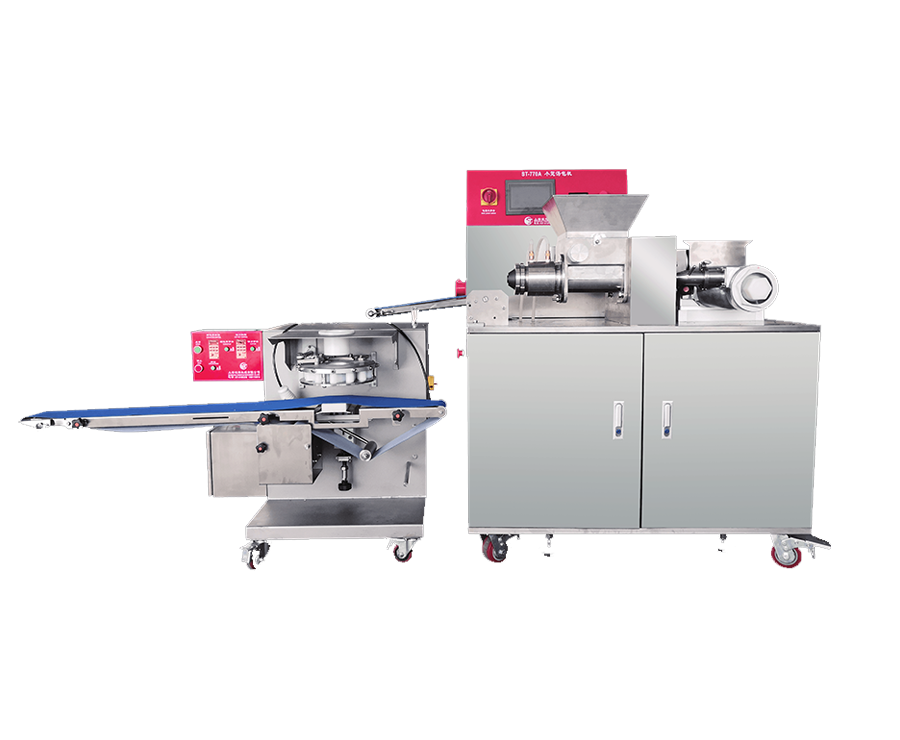
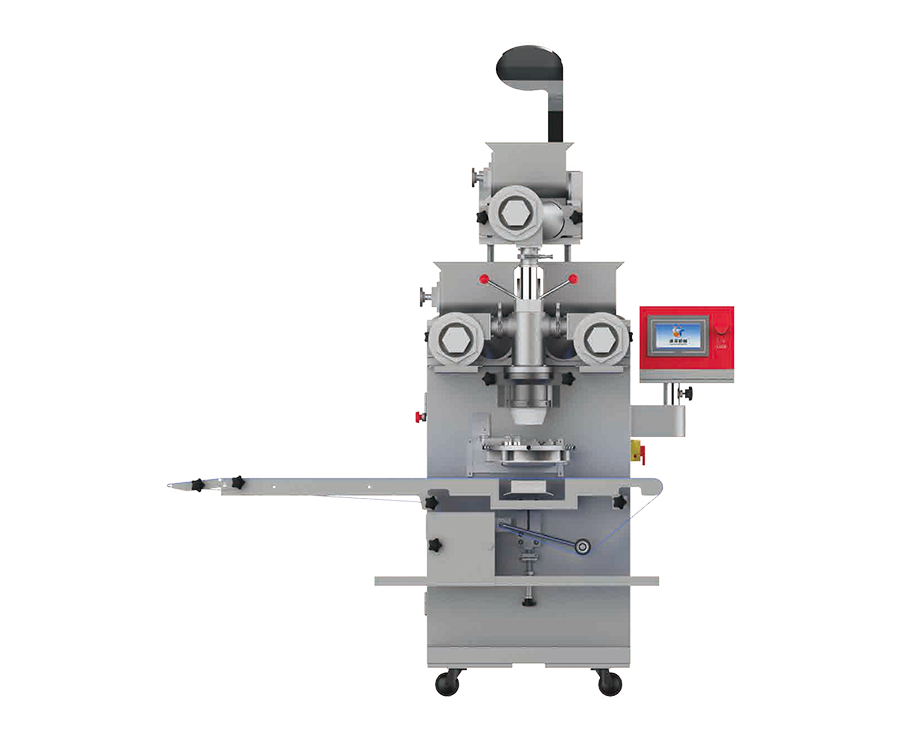
Related Products
Copyright © Shanghai Chengtao Machinery Co., Ltd. All rights reserved.  Food Machinery Manufacturers
Contact Us