
 en
en English
 Español
 Français
 русский
 عربى
عربى
From Labor Shortage to Predictable Delivery: How Automation Changes Cash Flow
Content
- 1 When You Can't Staff the Line, You Can't Predict the Bill
- 2 The Real Financial Cost of Missed Delivery Windows
- 3 How Automation Converts Output Variability Into Throughput Certainty
- 4 Predictable Output Means Predictable Cash Flow
- 5 Calculating the Payback: When Does Automation Start Paying You Back?
- 6 Where to Start in a Food Production Environment
A food factory with 12 workers on a dumpling line can ship 8,000 units a day. With 9 workers—which happens more often than most managers want to admit—it ships 5,500. The shortfall doesn't just affect volume. It delays the shipment date, pushes the invoice out by a week, and depending on the contract, triggers a penalty clause. That sequence plays out thousands of times across food manufacturing every month, and most businesses absorb the loss without ever naming the root cause.
The labor shortage in food processing is structural, not cyclical. A joint study by Deloitte and The Manufacturing Institute found that the U.S. manufacturing sector alone could face 2.1 million unfilled positions by 2030, with food processing among the hardest-hit segments. In markets across Southeast Asia, the Middle East, and Europe, the pattern is the same: operators are harder to hire, harder to retain, and increasingly expensive to train—only to see them leave within a year. The real question isn't whether automation is necessary. It's whether the financial case for it has been framed correctly.
When You Can't Staff the Line, You Can't Predict the Bill
Delivery schedules are built on production assumptions. Those assumptions rely on headcount. When headcount fluctuates—and in labor-intensive forming and wrapping operations it fluctuates constantly—the entire downstream plan becomes unreliable.
Consider how this actually unfolds: a factory commits to delivering 50,000 pieces of frozen dim sum to a distributor on Thursday. On Tuesday, three workers call out sick. The line runs at 60% capacity. The shipment is short. The distributor holds the truck until Friday, which pushes the invoice date, delays payment by a full billing cycle, and—if the distributor is operating a just-in-time model—triggers a stock-out at retail.
That scenario isn't a supply chain failure. It's a staffing failure, and it has a direct cost: delayed revenue, potential penalties, and erosion of trust with a buyer who has alternatives. The connection between how automation addresses food factory labor shortages in practice and the downstream financial impact is more direct than most P&L discussions acknowledge.
The Real Financial Cost of Missed Delivery Windows
The visible cost of a missed delivery is the penalty. But the full financial impact runs deeper, across three compounding layers.
Delayed invoicing and slower cash conversion. Most food supply contracts invoice on delivery confirmation. Every day a shipment is late is a day the invoice isn't raised. For a factory with 30-day payment terms, a consistent 3–5 day delivery lag means cash is arriving 10–17% later than the model assumes. That gap has to be covered—by credit lines, by supplier extensions, or by drawing down reserves.
Contract exposure and penalty clauses. Retail and foodservice buyers have hardened their SLA terms in recent years. Late delivery fees of 1–3% per incident are common, and repeated violations can trigger contract review or outright termination. Losing a distributor relationship doesn't just affect one order—it removes a revenue stream that took months or years to develop.
Buyer trust and re-order behavior. Buyers who experience repeated delivery inconsistency don't cancel contracts immediately. They quietly dual-source. They reduce order volumes. They stop offering new product lines to a supplier they've mentally flagged as unreliable. The revenue erosion is gradual and hard to attribute to any single cause—which is exactly why it tends to go unaddressed.
Understanding five business reasons food manufacturers upgrade to automated equipment typically starts here—with the financial pain of inconsistency, not just the operational inconvenience of short staffing.
How Automation Converts Output Variability Into Throughput Certainty
A well-specified food forming machine doesn't have sick days. It doesn't slow down after hour six. It doesn't vary its filling weight based on fatigue or distraction. Its output in hour one is the same as hour eight—and that consistency is precisely what makes production planning reliable again.
In practical terms, a single automated forming machine handling dumpling or wonton production can maintain output of 3,600–6,000 pieces per hour, regardless of shift composition or seasonal staffing pressure. That rate is measurable, plannable, and insurable in a way that a team of hand-forming workers simply is not.
The operational shift matters for scheduling. Once a line manager knows that the forming stage will produce X pieces per hour under any staffing condition, every downstream commitment—packaging, cold chain booking, freight scheduling, invoice timing—can be built on a solid number rather than an optimistic estimate. That's the foundation of matching machine throughput capacity to your actual production orders rather than the reverse: letting labor availability dictate what you can commit to.
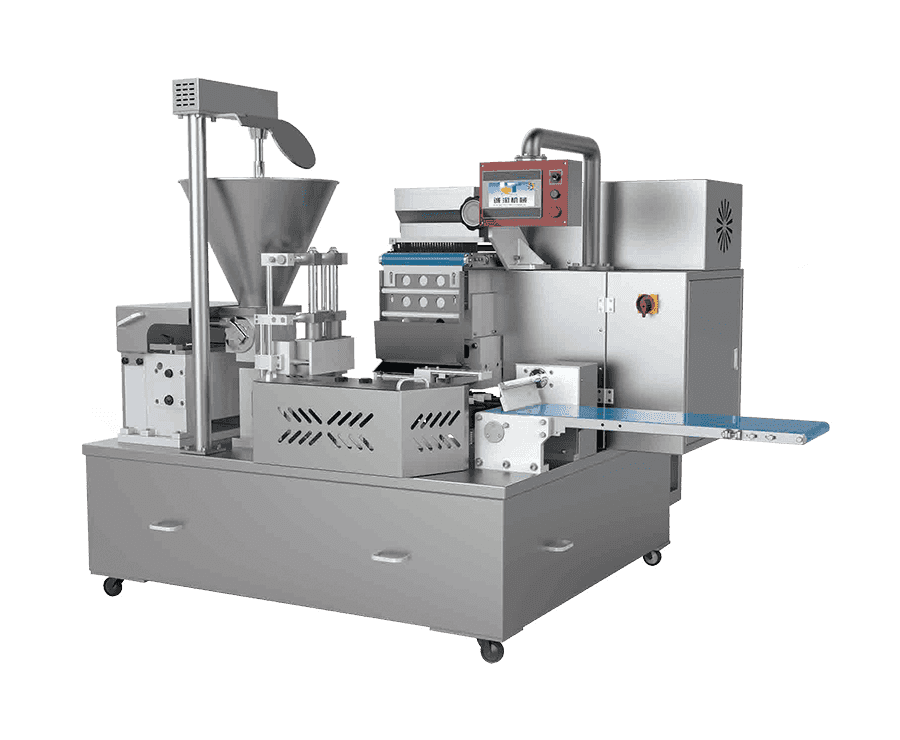
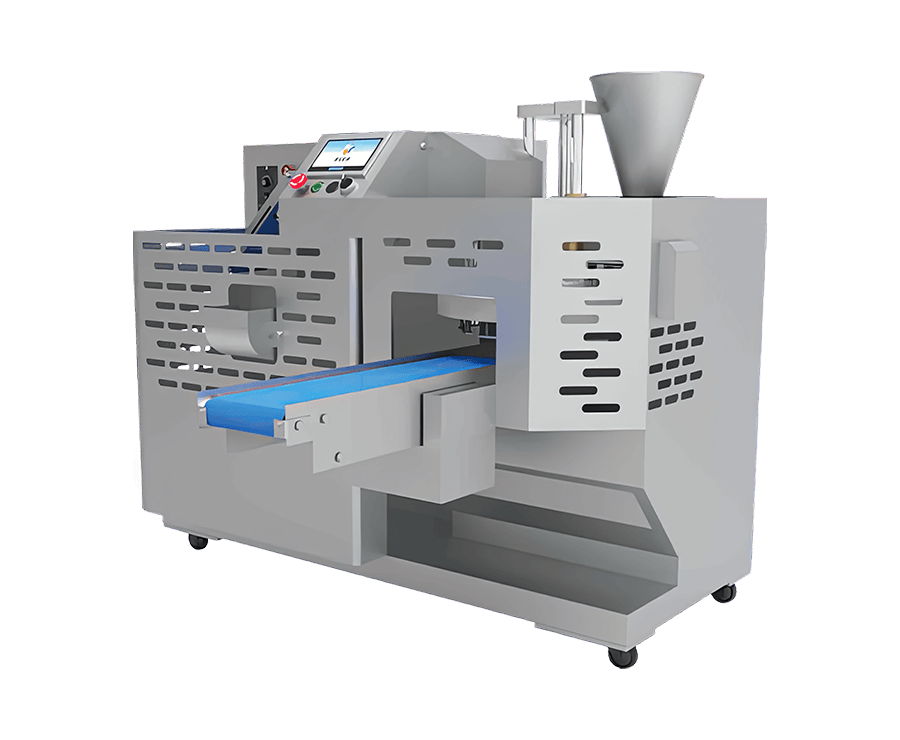
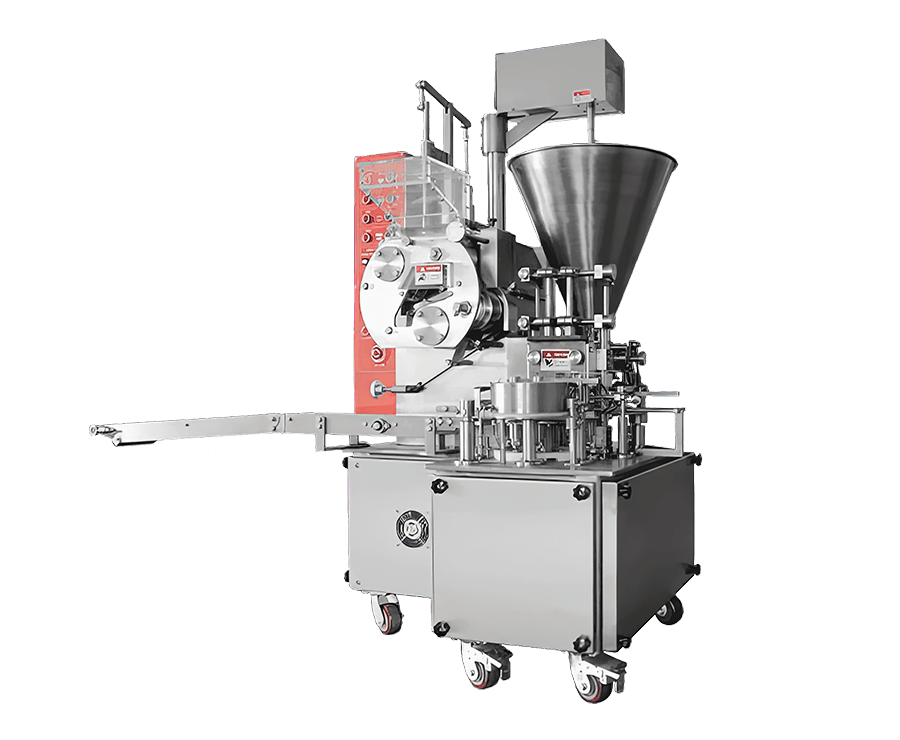
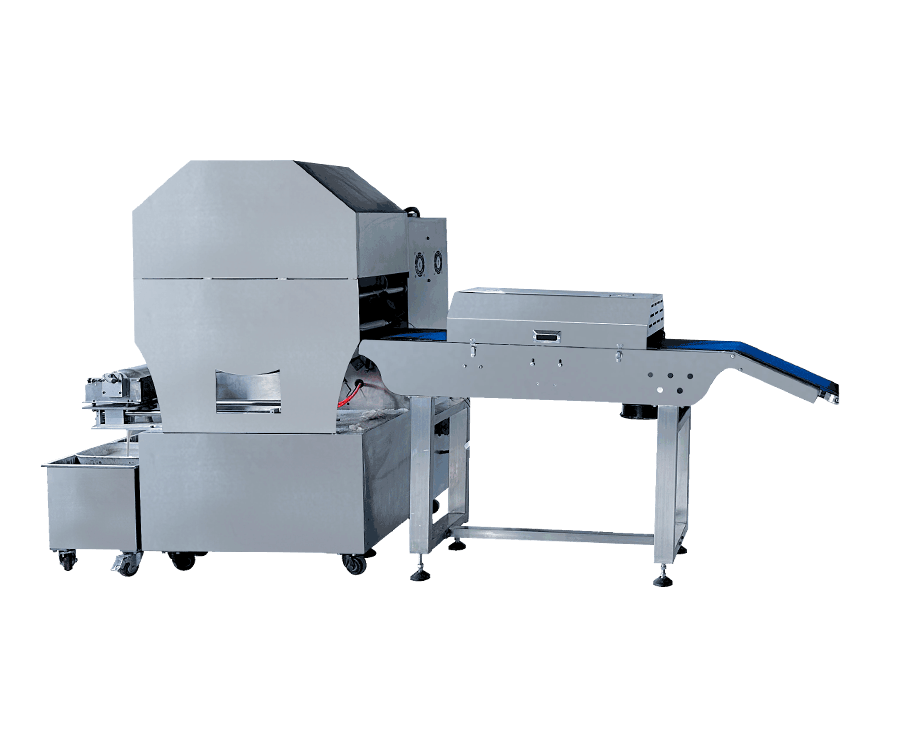
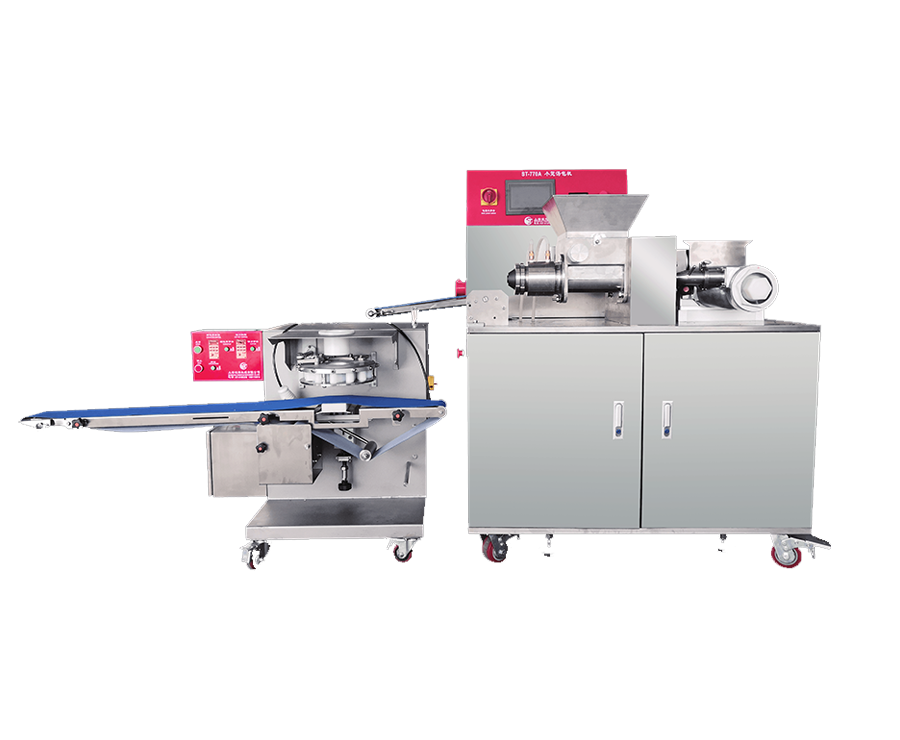
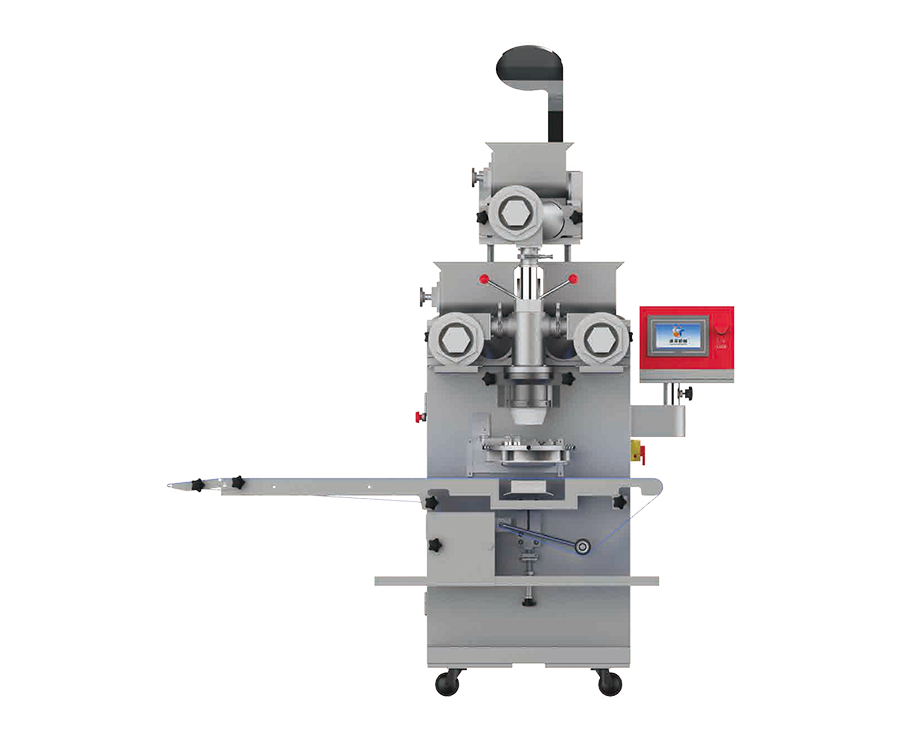
For food factories producing items like dumplings, encrusted pastries, spring rolls, or moulded cookies, food forming machines designed for consistent high-volume output represent the point in the production flow where throughput variability is highest under manual operation—and where automation delivers the most immediate stabilization.
Predictable Output Means Predictable Cash Flow
The financial case for automation is usually framed around cost reduction: fewer labor hours, lower waste, reduced rework. Those savings are real. But the cash flow impact of delivery certainty is often larger and faster than the labor cost savings alone.
Here's the mechanism: when a factory can reliably commit to a delivery date and hit it, invoicing happens on schedule. Payment cycles start on time. Receivables don't pile up behind missed shipments. The working capital that was previously locked up in "pending delivery" status becomes available on a predictable cadence.
A simplified comparison illustrates the difference:
| Metric | Manual Line | Automated Line |
|---|---|---|
| On-time delivery rate | 68–75% | 92–97% |
| Average invoice delay (days) | 4–7 days | 0–1 days |
| Penalty exposure (per quarter) | 2–4% of contract value | Near zero |
| Cash conversion cycle | Unpredictable ±12 days | Stable, within ±2 days |
The compounding effect matters: a factory hitting 95% on-time delivery can credibly negotiate faster payment terms with distributors, reducing DSO (days sales outstanding) further. Buyers who trust your delivery reliability also tend to increase order size over time, improving revenue per customer without proportional increases in sales cost.
Calculating the Payback: When Does Automation Start Paying You Back?
Every factory's numbers are different, but the payback calculation for food production automation typically draws from four inputs: direct labor cost, waste and rework rate, delivery penalty exposure, and lost revenue from unreliable supply relationships.
Most factories that have run this calculation honestly—including all four inputs rather than just labor savings—find that the payback period for a purpose-built food forming machine falls between 12 and 24 months. In markets with tight labor, high turnover, and demanding buyer SLAs, that window can compress to under a year.
The calculation also compounds positively over time. Once the equipment cost is recovered, every subsequent month of consistent throughput represents improved margin—without the cost and uncertainty of recruiting, training, and retaining manual workers for the same tasks. Exploring three practical ways to increase output speed and reduce downtime becomes relevant at this stage—not as a way to squeeze more from an existing line, but as a way to extend the financial return of the initial automation investment.
For factories still working through the business case, it helps to start with the penalty and lost-revenue side of the ledger rather than labor savings. Those costs are often larger than expected—and more immediately recoverable once delivery reliability improves.
Where to Start in a Food Production Environment
Automation doesn't have to be total to be transformative. In food manufacturing, the highest-leverage starting point is almost always the forming or filling stage—the step where manual labor is most intensive, product consistency is hardest to maintain, and throughput variability has the greatest downstream effect.
A factory producing dumplings, wontons, baozi, siomai, or encrusted pastries that automates its forming line first will see immediate stabilization of its daily output number. That single change—knowing exactly how many pieces the line will produce per shift—removes the primary source of delivery uncertainty. Everything else in the production schedule becomes more manageable: ingredient procurement, packaging runs, cold storage booking, and freight commitments.
From there, the approach can expand systematically. Preparation equipment—mixers, rice separators, vegetable cutters—handles upstream variability. Extended application machines handle downstream flexibility: coating, rounding, filling. Each stage added to the automated workflow narrows the gap between planned output and actual output, tightening the factory's ability to deliver on the commitments that drive cash flow.
The starting point doesn't need to be a full line overhaul. It needs to be the right piece of equipment, matched to the specific product and volume your operation is built around. That conversation—about product type, dough characteristics, filling viscosity, and target output rate—is where the most useful guidance begins.
Related Products
Copyright © Shanghai Chengtao Machinery Co., Ltd. All rights reserved.  Food Machinery Manufacturers
Contact Us