
 en
en English
 Español
 Français
 русский
 عربى
عربى
Case Breakdown: A Full Line Project from Requirements to Delivery
Content
- 1 Introduction: When a “Shopping List” Turns into a Full Line Project
- 2 Phase 1 – Requirement Discovery: Asking the Questions That Define the Line
- 3 Phase 2 – Line Design & Machine Selection: Translating Numbers into Equipment
- 4 Phase 3 Manufacturing, FAT & Quality Control: Proving the Line Before It Ships
- 5 Phase 4 – On-Site Installation, Commissioning & Training: From Crates to Crunching Production
- 6 Phase 5 – Ramp-Up, Handover & After-Sales Support: The Project Is Done, the Partnership Isn't
- 7 The Real ROI of a Well-Managed Line Project
Introduction: When a “Shopping List” Turns into a Full Line Project
Every month, we receive inquiries from frozen food producers who start with a simple request: “We need a dumpling machine.” But by the time we finish the first conversation, it becomes clear that they do not need a single machine at all. They need a complete production line that takes raw dough and filling in one end and delivers finished, steamed products at the other. That difference—between buying equipment and commissioning a full line project—is where most budget overruns and schedule delays are born.
Consider a typical case we handled recently. A regional frozen food manufacturer wanted to produce both dumplings and siomai in the same facility. They had the recipes, the sales channels, and the building, but no experience in connecting a mixer, a forming machine, a fermentation cabinet, and a steaming system into one coherent flow. When buyers ask us whether they can move from single machines to full production lines, we always start with a capacity and layout review first. This article is a case breakdown of that entire journey—from the first requirement meeting to the final handover at the customer’s factory.
Phase 1 – Requirement Discovery: Asking the Questions That Define the Line
The success of a full line project is determined in the first week, not the last. During this phase, our engineers sit down with the client’s production manager, process technologist, and plant owner to translate business goals into technical specifications. The outcome is a User Requirement Specification (URS) that both parties sign. This document becomes the baseline for every acceptance test later in the project.
Capacity Targets and Product Matrix
The first question is always about throughput. We need to know the target output in kilograms per hour, not just “how many pieces per minute.” The difference matters because piece count varies with product weight. We also ask whether the line must handle multiple products—such as switching molds to run dumplings in the morning and siomai in the afternoon. This “one machine, multiple products” capability directly affects the choice of forming equipment and the complexity of the changeover procedure.
Raw Material and Process Boundaries
Dough hydration levels vary significantly between northern-style dumpling wrappers and southern-style siomai skins. Filling temperature sensitivity is another critical constraint. If a filling contains high-fat meat or fresh vegetables, it may require cold water circulation to prevent the mixture from softening and jamming the forming machine. We document these parameters because they influence not only machine settings but also the need for auxiliary equipment like cooling systems.
Site Condition Constraints
Before any layout drawing is made, we collect data on floor dimensions, ceiling height, floor load capacity, electrical supply, and the location of water and drainage points. A line that works perfectly in our factory may not fit through a client’s doorway. This is a common oversight in single-machine purchases that becomes a costly mistake in full line projects.
Phase 2 – Line Design & Machine Selection: Translating Numbers into Equipment
Once the requirements are documented, the actual design work begins. This is where the project transforms from abstract numbers into a physical layout with specific machine models, conveyor lengths, and utility connection points.
Bottleneck Analysis
A common mistake in line design is to add machines based on their individual peak capacities. In practice, the effective output of a line is determined by its slowest station. Before specifying any machine, our engineers identify the true bottleneck first so that downstream equipment is not starved or overfed. For example, if a sheeter produces 60 wrappers per minute but the forming machine can only close 40 pieces per minute, the entire line runs at 40. The sheeter becomes idle capacity, not useful throughput.
Machine Selection Example
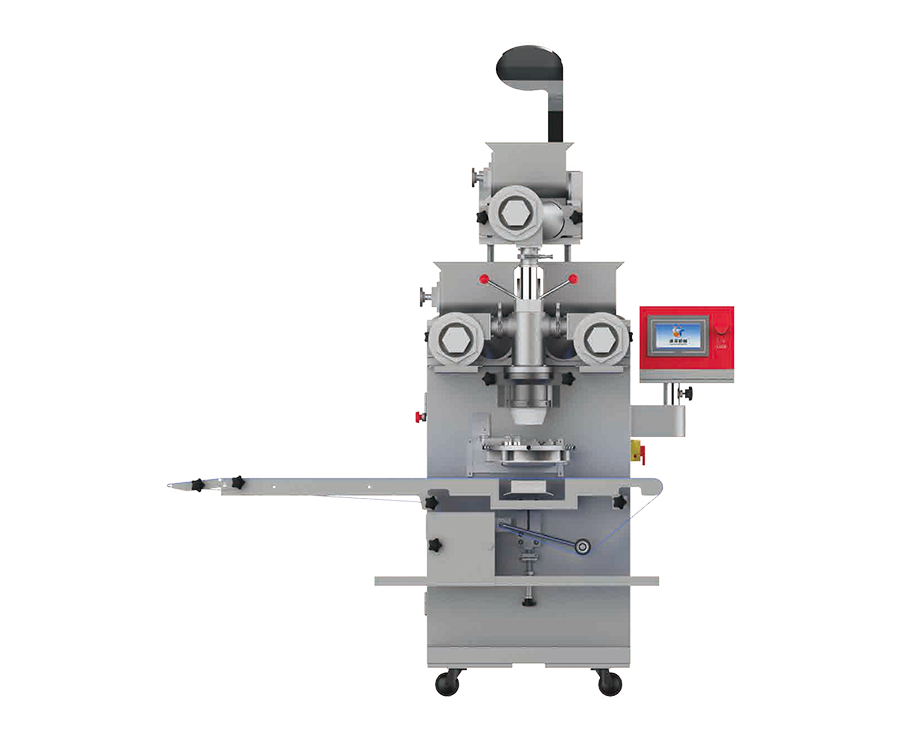
In the case of our dumpling and siomai producer, the weight of the final product was around 30 grams. At that size, a single-head forming machine can produce roughly 30 to 40 pieces per minute. However, the client’s sales forecast required double that output. Instead of purchasing two separate single-head lines, we recommended the automatic double-head encrusting machine, which allows two pieces to be formed simultaneously, effectively doubling throughput while occupying the same floor space.
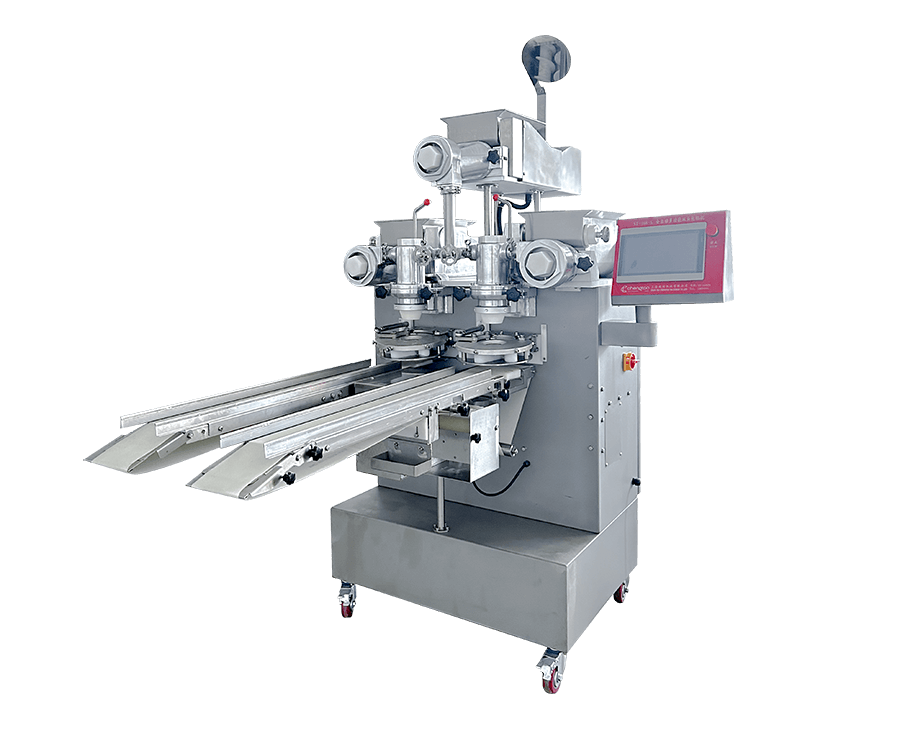 CT-288 Automatic Double Head Encrusting Machine Manufacturers, Suppliers, FactorChengtao are Customized CT-288 Automatic Double Head Encrusting Machine Manufacturers, Suppliers and Factory in China, Wholesale CT-288 A...View Product →
Layout and Material Flow
The physical arrangement of equipment follows four principles: smooth flow of people, materials, cleaning access, and maintenance space. The upstream preparation area includes an industrial dough mixer and a meat grinder for filling preparation. These feed into the forming area, where the double-head encrusting machine shapes the products. From there, products move through a fermentation cabinet to relax the dough, then into steaming carts for batch production. The layout minimizes manual handling, reduces cross-contamination risk, and provides clear access for cleaning crews.
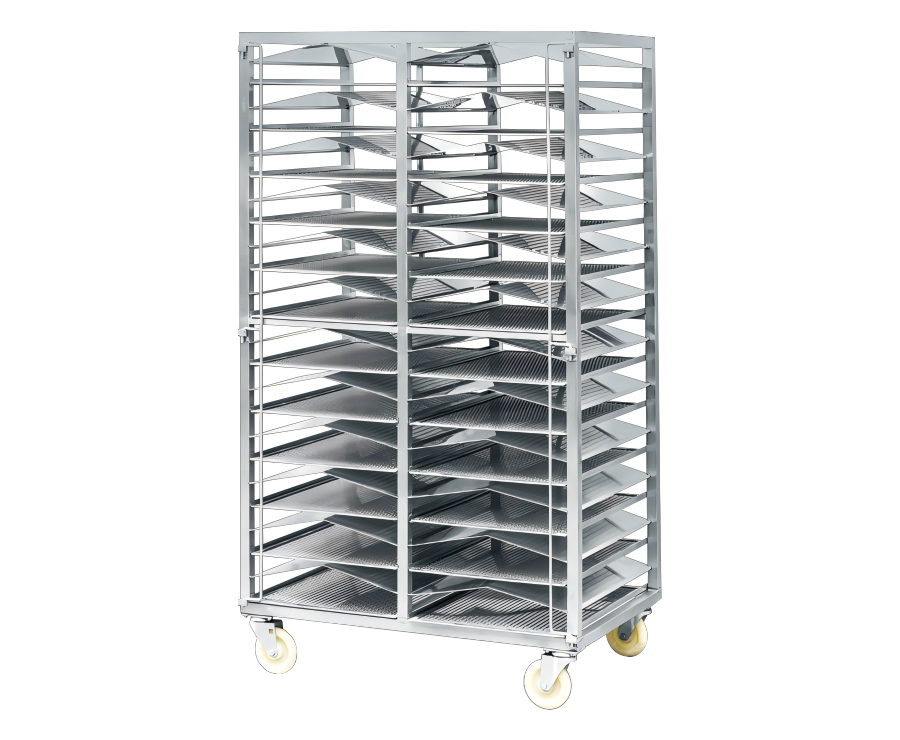 Steaming Cart Manufacturers, Suppliers, Factory - Shanghai Chengtao Machinery CChengtao are Customized Steaming Cart Manufacturers, Suppliers and Factory in China, Wholesale Steaming Cart for sale, 1. Waterproof an...View Product →
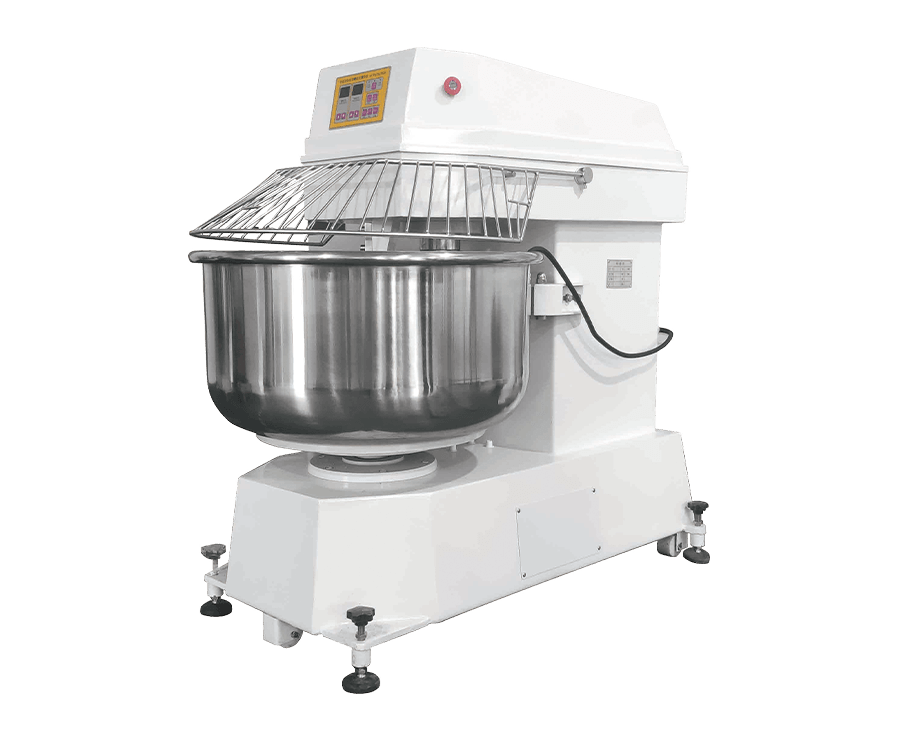 Dough Mixer Manufacturers, Suppliers, Factory - Shanghai Chengtao Machinery Co.,Chengtao are Customized Dough Mixer Manufacturers, Suppliers and Factory in China, Wholesale Dough Mixer for sale, 1. The machine is easy...View Product →
Phase 3 Manufacturing, FAT & Quality Control: Proving the Line Before It Ships
After the design is frozen, our factory begins manufacturing the equipment. But before anything crates and ships, we conduct a Factory Acceptance Test (FAT). This is the client’s opportunity to see the full line running with their own ingredients, on our factory floor, before committing to installation downtime at their site.
What Happens During FAT
The FAT session uses the client’s actual raw materials—the same flour, water, meat, and vegetables they will use in production. Our operators run the line at the agreed target speed, and we measure product weight accuracy, dimensional consistency, and the rate of defective pieces. Any deviation beyond the tolerance defined in the URS triggers a machine adjustment or a process parameter change. This is also the moment to evaluate cleaning procedures. During FAT, our quality team goes beyond visual checks and applies rigorous acceptance criteria for cleanability, including inspection of hidden crevices where dough residue can accumulate and harbor bacteria.
Pre-Assembly and Early Problem Detection
We pre-assemble the entire line in our workshop, including conveyors, guards, and utility connections. This dry run allows us to identify interference issues—for example, a guard that blocks a control panel, or a conveyor that collides with a support leg—before the equipment reaches the customer’s floor. This step typically reduces on-site installation time by 30 to 40 percent because most fit-up problems are resolved in our facility, not at the client’s.
Documentation Delivery
At the completion of FAT, we hand over a documentation package that includes operation manuals, maintenance schedules, spare parts lists, and electrical schematics. This is not a formality. The spare parts list is particularly important for the client’s maintenance planning, as it specifies which components have a short service life and should be stocked locally.
Phase 4 – On-Site Installation, Commissioning & Training: From Crates to Crunching Production
When the equipment arrives at the client’s factory, the project enters its most visible phase: physical installation and commissioning. The duration of this phase depends on line complexity, but for a typical dumpling line with preparation, forming, proving, and steaming sections, it usually takes five to ten working days.
Installation Sequence
Our installation team follows a strict sequence: unloading and positioning, leveling adjustment, connection of electrical power and water supply, then individual machine dry-run tests. Each machine is tested in isolation before any conveyor connections are made. This step-by-step approach isolates faults—if a conveying issue appears later, we know the upstream and downstream machines were already verified.
Trial Production and Parameter Freezing
Once machines are connected, we conduct a Site Acceptance Test (SAT). This is essentially a repeat of the FAT, but in the client’s real environment with their actual utilities, floor conditions, and ambient temperature. During this process, our engineers and the client’s process team work together to “freeze” the optimal parameter set: forming speed, steam pressure, dwell time in the fermentation cabinet, and conveyor speed. These parameters are recorded in a protocol document that becomes the standard operating reference for the client’s daily production.
Operator and Maintenance Training
Training is not a single lecture. We split it into two tracks. Operators receive hands-on training for daily start-up, changeover, and cleaning. Maintenance staff receive a separate session focused on lubrication points, wear-prone components, and how to diagnose common faults without calling for remote support. This investment in local capability reduces downtime significantly—a client who understands why a machine stopped is a client who can often restart it alone.
Phase 5 – Ramp-Up, Handover & After-Sales Support: The Project Is Done, the Partnership Isn't
Signing the SAT acceptance certificate does not mean the project is truly complete. The real test of a full line project is the production ramp-up curve—how quickly the line reaches its targeted output and yield under continuous operation.
Interpreting the Ramp-Up Curve
During the first week, production is naturally lower. Operators are still building muscle memory, and minor parameter adjustments are common. By the end of the second week, a well-designed and well-commissioned line should stabilize at its agreed capacity. We advise clients to judge project success based on the average throughput over a full week, not a single shift’s best number. A line that runs consistently at 95 percent of target is healthier than one that hits 100 percent for two hours and then stalls.
Long-Term Support and Recipe Development
After handover, our role shifts from project delivery to ongoing support. Many clients return with questions about new product development—can this same line produce a fried dumpling variation? Can we change the wrapper thickness for a premium product? Because the forming machines are designed with interchangeable molds, these adaptations may require only a new mold set and parameter adjustments. This is where the “customization expert” role continues. We work with clients to test new recipes on the line before they commit to market launches.
Spare Parts and Response Mechanism
To protect the client’s production continuity, we recommend stocking critical spare parts—such as molds, heater elements, and variable frequency drives—before they are needed. Our after-sales team maintains a response protocol for remote diagnostics and, when necessary, dispatch of a technician with the correct spare part already in hand.
The Real ROI of a Well-Managed Line Project
The effort invested in requirement discovery, FAT, and careful commissioning may seem laborious at the start. But the cost of fixing a problem late in a line project is not linear—it is exponential. Changing a mold design after the forming machine has been cast is expensive; changing an entire layout because the refrigeration unit was placed too far from the filling station is catastrophic. A well-managed case breakdown approach surfaces these issues early, when they are still just numbers on a drawing.
The measurable return appears in three areas: faster ramp-up time, lower scrap rates during the first month, and fewer unplanned stoppages in the first year. Clients who skip the discipline of a structured full line project typically see their ramp-up period stretch from two weeks to two months, while their scrap rate during that period doubles or triples. For any food producer evaluating a complete line purchase, the question is not whether you can afford the process—it is whether you can afford a delivery without it.
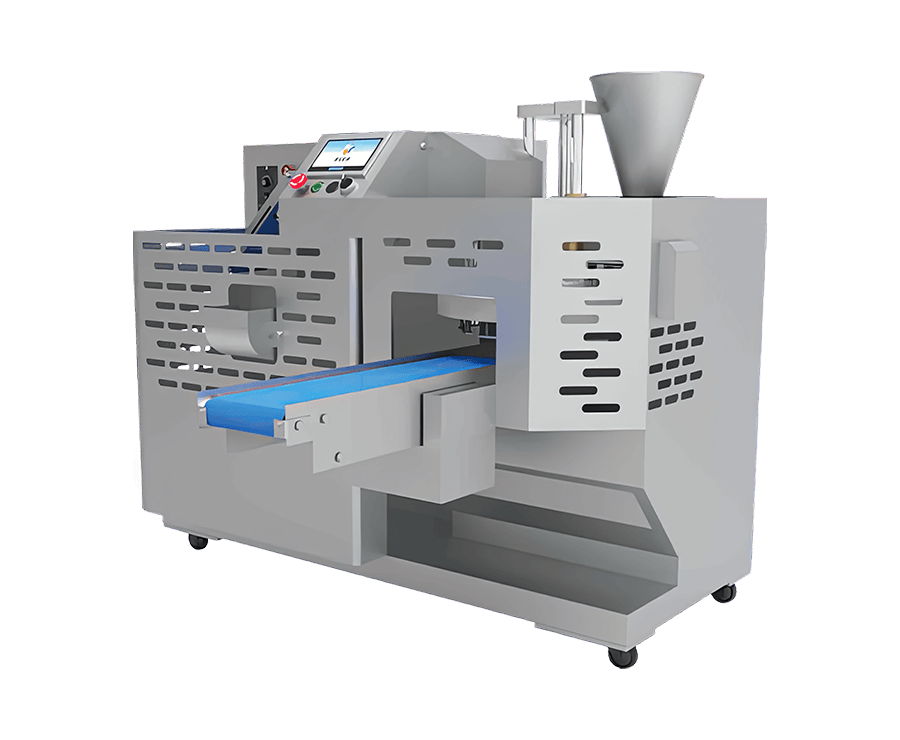
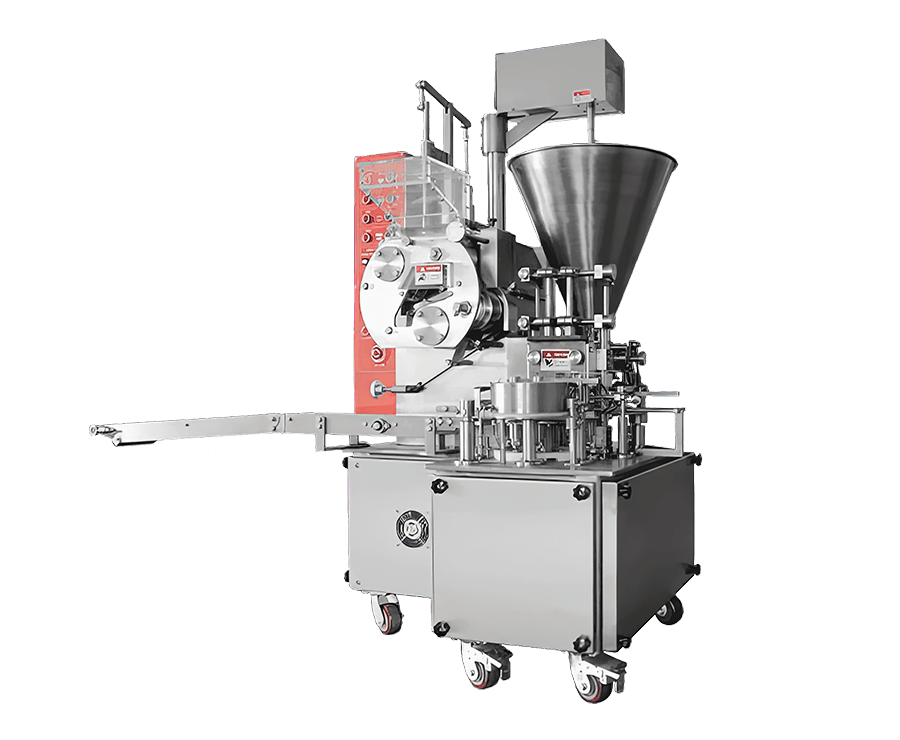
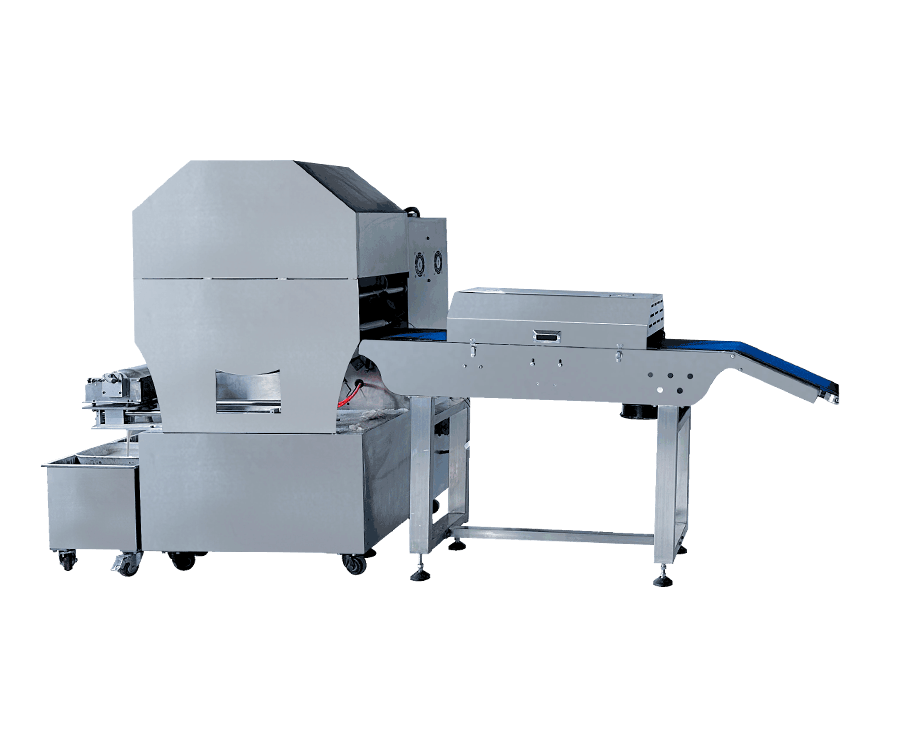
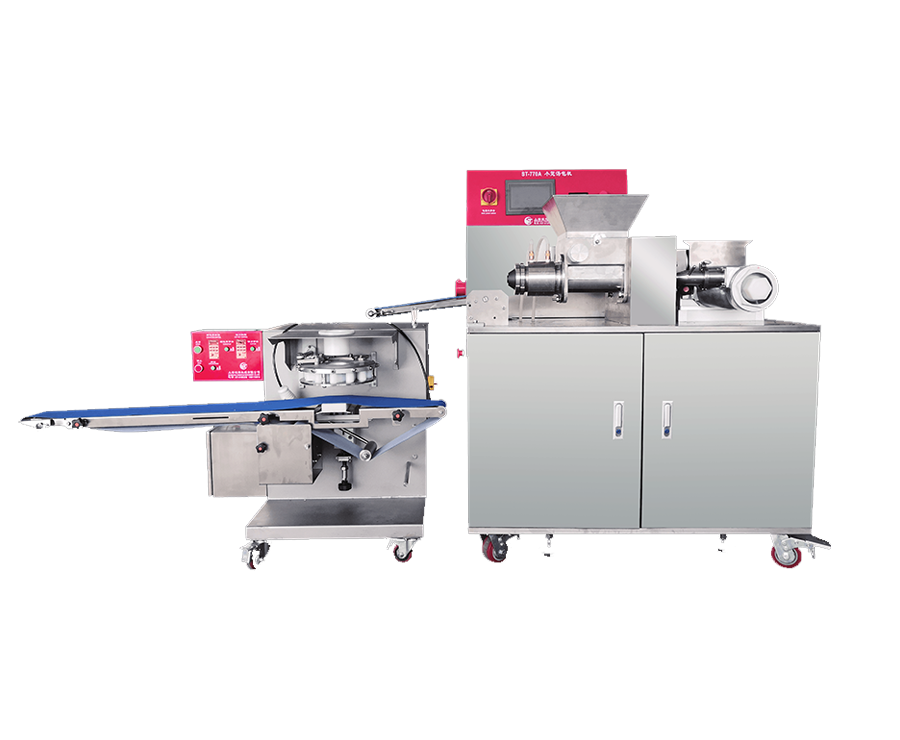
Related Products
Copyright © Shanghai Chengtao Machinery Co., Ltd. All rights reserved.  Food Machinery Manufacturers
Contact Us